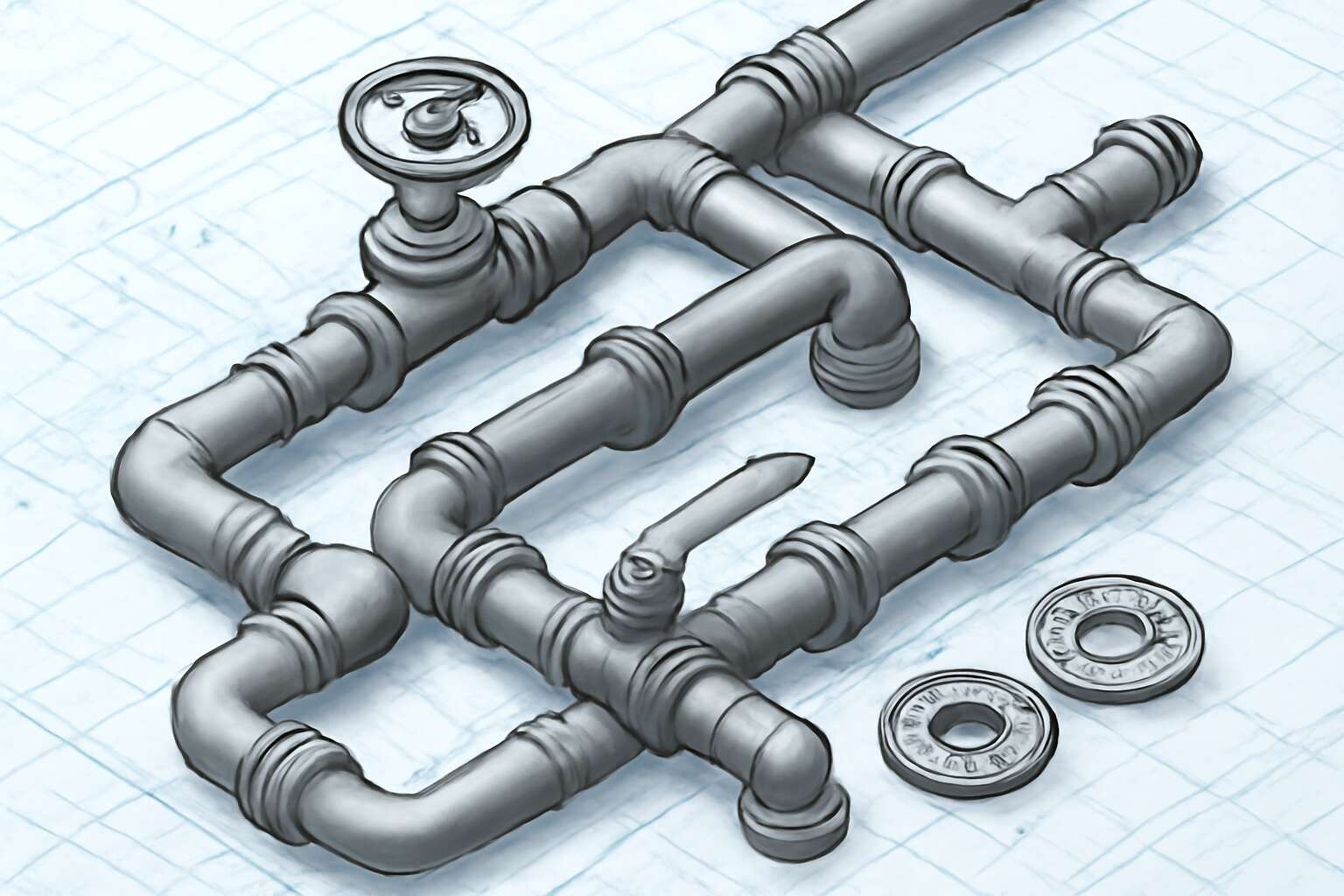
Designing Effective Piping Layouts
Overview of Piping Layout Principles
Piping work is the quiet backbone of any plant, and the right pipe fitting layout turns complexity into reliability. A well-designed route boosts uptime, trims energy use, and reduces risk in South Africa’s diverse operating environments. As one engineer notes, the right layout pays for itself in downtime savings and smoother changes.
Effective piping layout balances flow with access and standardization. Favor gradual curves over sharp elbows, keep insulation and supports neat, and organize services to minimize crossovers. This overview gives high-level principles that guide early sketches, model handoffs, and consistent documentation, without getting mired in jargon.
- Strategic routing to reduce friction and energy loss
- Accessible valves, cleanouts, and maintenance points
- Standardized components for consistent fabrication
Ultimately, a thoughtful pipe fitting layout integrates with site topology and local codes, delivering predictable pressure management and easier future changes across cities like Johannesburg, Cape Town, and Durban.
Common Materials and Fittings in Layout Planning
Designing effective piping layouts begins long before a bolt is tightened. Across SA plants, up to a quarter of downtime traces to awkward pipe routing. In South Africa’s varied environments, the pipe fitting layout hinges on material resilience as much as route efficiency. The right choices reduce maintenance, boost uptime, and stand up to temperature swings and mineral content. When teams align on component selection, they unlock smoother fabrication, easier future changes, and predictable performance across sites from Johannesburg to Cape Town.
Common materials and fittings form the backbone of this approach. Consider these staples:
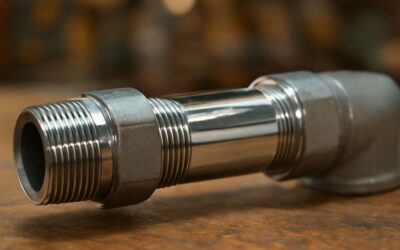
- Stainless steel for corrosion resistance in harsh SA conditions
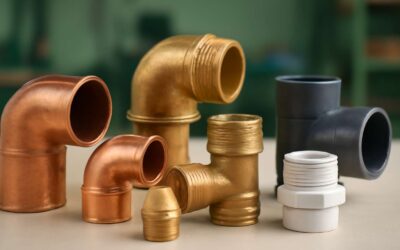
- Copper for durable domestic and HVAC lines
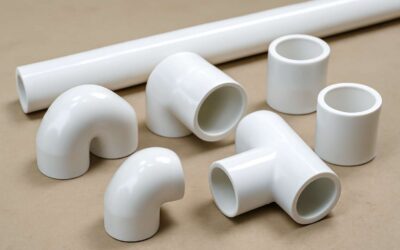
- PVC/CPVC for light-duty drainage and chemical services
- HDPE for underground and trench installations
- Elbows, tees, reducers, flanges, and unions for flexible routing
- Valves and cleanouts to simplify maintenance
Key Considerations for Feed and Drain Lines
Plant engineers across South Africa know efficiency starts well before the first bolt turns. Across SA plants, up to a quarter of downtime traces to awkward pipe routing. Designing effective piping layouts for feed and drain lines means reading the plant as a living system—balancing gravity, space constraints, and future service access while respecting mineral content and temperature swings.
- Gravity and slope considerations to keep drainage predictable.
- Maintenance access and isolation points to minimize service downtime.
- Material compatibility across feed and drain media to avoid deposits or corrosion.
In practice, the pipe fitting layout guides where service corridors, valves, and cleanouts live, shaping uptime and resilience from Johannesburg’s heat to Cape Town’s coastal hum.
Space Optimization and Accessibility in Piping
Across South Africa, a fifth of plant downtime follows cramped space and awkward routing—the kind of bottleneck that gnaws uptime. In shaping the pipe fitting layout, we view space as a deliberate ally: lines weave with the floor plan, service zones breathe, and future expansion finds a patient, well-lit path. Accessibility stops being a luxury and starts guiding every bend, every bracket, every planned isolation.
To embed space optimization and accessibility into practice, consider these design pillars:
- Modularity: standardized spans that permit clean rerouting without ripping the skeleton apart
- Clear service corridors and accessible valves for swift maintenance
- Consistent tagging and documentation to shorten the search for the next intervention
In the end, the pipe fitting layout is poetry in steel—precise, practical, and ready to adapt as conditions shift from the Karoo to the coast!
Layout Types and Configurations
Straight Run and Branching Configurations
Shipping in, the layout visually matters more than you’d expect. A razor-sharp pipe fitting layout can shave weeks off commissioning and keep operators smiling. When it comes to layout types and configurations, straight run designs deliver a clean, uninterrupted path for the fluid, reducing points of stagnation. Branching configurations, by contrast, fan out services to several zones, trading some pressure head for added flexibility.
Think of the two as complementary tools that keep systems tidy and serviceable.
- Straight Run: smooth flow, fewer joints, easier insulation
- Branching Configurations: faster expansion and localized maintenance
- Hybrid approaches: reserve critical lines for straight runs while feeding branches from a central manifold
Across South Africa, the right configuration aligns with local materials, availability, and maintenance windows—making your project practical as a morning coffee.
Looped and Recirculation Layouts
Looped and recirculation layouts reshape the heartbeat of a plant, giving flow a measured tempo rather than a frantic surge. A recent survey notes up to 30% faster commissioning when these loops cradle the system’s quiet core. In the language of pipe fitting layout, loops stitch a continuous circuit that dials down dead zones, tempers thermal gradients, and keeps distant zones reliably fed with minimal fuss.
- Steady, balanced pressure and reduced variation along the main and branch lines
- Rapid isolation for maintenance without starving the rest of the plant
- Consistent temperature profiles that improve process stability
Across South Africa, the appeal is practical: local materials, readily available fittings, and maintenance windows that fit a tight schedule. The choice between looped and recirculation layouts flows naturally within the broader pipe fitting layout strategy, turning complexity into reliability and predictable performance for operators.
Isometric and 3D Layout Representations
Blueprints that breathe—an isometric view or a floating 3D model can cut field surprises to whispers. In practice, teams report up to 40% faster pre-fabrication when those representations illuminate routing before any steel is cut. For the pipe fitting layout, isometric and 3D visuals turn tangled tangents into clear, coordinate-friendly paths that respect clearance, supports, and future maintenance.
- Clash detection and routing verification before fabrication
- Accurate spool sheets and on-site assembly planning that reduce rework
- Maintenance access planning that preserves service during upgrades
Across SA workplaces, these representations align with local materials and fittings, turning the plant’s heavy metal into a readable map. Isometric and 3D layouts are the quiet partners of a disciplined pipe fitting layout.
Compact vs. Expanded Layouts
Patterns of flow at a South African plant have a way of saving the day when the layout is clear. Industry notes show up to 40% faster pre-fabrication when routing is clear, and that speed echoes across the yard. In pipe fitting layout terms, Compact and Expanded configurations offer different advantages: Compact keeps runs tight and neat; Expanded allows generous clearance for maintenance and future upgrades. The choice reflects space, crew rhythm, and the plant’s heartbeat.
- Compact layouts minimize pipe length and simplify fabrication.
- Expanded layouts provide wide access for equipment and servicing.
- Hybrid approaches blend compact routing with selective expansion where needed.
Standards, Codes, and Best Practices
Industry Standards for Pipe Fittings
“Quality is a discipline, not a dream,” a veteran foreman reminds readers. In South Africa’s dynamic building scene, that discipline guides every pipe fitting layout. Standards anchor safety, provenance, and longevity, turning rough blueprints into durable networks that endure the test of time and climate.
- SANS/SABS piping standards for SA climate and municipal use
- ASME B31.3 (process) and B31.1 (power) codes
- ISO 9001 quality management systems
- Material selection, corrosion allowances, joints
- Hydrostatic testing and pneumatic testing protocols
- Documentation and as-built traceability
Across projects, best practices translate theory into reliability: design reviews, QC gates, prefabrication, and rigorous testing. The layout must accommodate accessibility, insulation, support spacing, and future maintenance, all while staying compliant and elegant. Indeed, quality is the quiet engine behind every successful installation!
Code Compliance Across Industries
Standards don’t sit on a shelf; they shape every pipe fitting layout across industries. They anchor safety, provenance, and longevity, turning rough drawings into networks that endure climate and wear. In South Africa, global codes meet local realities, guiding procurement, installation, and performance. We see standards in action every day—this is where pipe fitting layout becomes more than diagrams.
- Cross-industry quality systems and documentation
- Design reviews, QC gates, and traceable records
- Prefabrication and rigorous testing to verify fit and function
Across sectors, best practice translates theory into reliability: disciplined design reviews, QC gates, prefabrication, and rigorous testing ensure the installation stands up to service and time.
Installation Best Practices and Safety
Quality Assurance and Documentation
“In every piping system, documentation is the true backbone,” a veteran South African foreman likes to say. In South Africa’s busy projects, a clear standards framework keeps pipe lines flowing in harmony. The core standards—SANS and trusted international codes such as ASME B31.x—shape drawings, verify materials, and validate the pipe fitting layout. Quality Assurance and Documentation weave accountability into every bend, joint, and run, turning complex networks into traceable, auditable records that endure long after the last bolt is tightened.
For a robust QA trail, essential documentation includes:
- Material certificates and WPS/WPC records
- Welding maps and inspection reports
- As-built drawings and isometrics
- Non-conformance logs and change orders
Maintenance Planning in Layout
On South Africa’s bustling sites, a single well-drawn plan can save weeks. “A map drawn wrong is a field of bent pipes,” a veteran foreman often says. In pipe fitting layout, maintenance planning guided by clear standards keeps crews aligned, safety intact, and projects on schedule.
Standards and codes govern every turn and tie-in, from room for expansion to easy access for inspection. The framework should feel as natural as the land—steady, practical, and auditable.
- Material certificates and WPS/WPC records aligned with the layout
- Welding maps and inspection reports that trace every joint
- As-built drawings and change orders that travel with maintenance planning
Applied thoughtfully, this approach ensures the pipe fitting layout remains resilient under pressure and adaptable to future work, just like a well-tended homestead.
Practical Tips and Tools
Using CAD and BIM for Piping Layouts
Strong coordination in a pipe fitting layout matters more than ever in SA projects. A recent industry insight shows teams using CAD and BIM cut rework by up to 20%. These tools turn drawings into living models, catching clashes before steel meets paint. The result is faster procurement, clearer fabrication guides, and fewer surprises on site.
- Parametric libraries for standard SA fittings
- Real-time clash detection across disciplines
- Data-rich models that feed material takeoffs and inspections
Keep the model your single source of truth. With CAD and BIM, you gain traceable reviews, standardized naming, and clear handover data that speeds commissioning. In busy South African projects, that clarity translates into fewer delays and a safer, more predictable build.
This pipe fitting layout becomes the backbone of fabrication and maintenance documentation.
Estimating Materials and Labor
Estimating materials and labor relies on solid data and consistent standards. In South Africa’s busy projects, the right data turns a rough bill into a credible forecast for pipe fitting layout, smoothing procurement and fabrication timelines. This data link reduces waste and delays.
- Cloud takeoff platforms
- Local supplier catalogs
- Cost databases and lead times
Practical tools include digital takeoff platforms, supplier catalogs, and cost databases that translate estimates into credible labor hours without drowning in detail. Transparent data streams support change management and clear reporting that keeps stakeholders aligned across disciplines.
Cost Optimization Strategies for Installations
A tight pipe fitting layout isn’t just geometry; it’s a live forecast. On South Africa’s crowded sites, teams drive waste down by aligning takeoffs with real-time supplier data, turning rough estimates into studio-quality forecasts for pipe fitting layout.
Practical tips and tools to optimize costs:
- Use digital takeoff platforms to translate plans into accurate material counts for pipe fitting layout.
- Tap local supplier catalogs for current price points and lead times to avoid overstocking.
- Maintain a dynamic cost database capturing currency fluctuations, bulk discounts, and delivery windows.
With transparent data streams, procurement flows smoothly into fabrication windows, keeping projects aligned with milestones and ensuring the workforce stays focused on quality rather than number-crunching.
Field Verification Techniques
On crowded South African sites, field verification isn’t a cosmetic extra—it’s a live metric that keeps the pipe fitting layout honest as the steel sings and dust settles. A single misread measurement can cascade into weeks of rework and costly delays. When the field, fabrication, and procurement move in closer tempo, precise data becomes the project’s compass, guiding decisions before concrete cures. In this reality, verification is as essential as any weld or joint.
Practical tips and tools for field verification include:
- Digital measurement and BIM cross-reference to keep as-built data aligned with plans
- Laser distance meters and 3D capture to verify geometry against the pipe fitting layout
- Cloud-based checklists and photo documentation to preserve traceability and accountability
These streams of data help teams stay focused on quality and reduce rework on South Africa’s sites, aligning with the pipe fitting layout.
Common Pitfalls and How to Avoid Them
On crowded South African sites, a single misread measurement can ripple through the pipe fitting layout and stall progress while dust settles. Practical tips start with digital measurement linked to BIM so as-built data mirrors plans. Add laser distance meters and 3D capture to verify geometry, then keep every change in a cloud-based record with photos. When data flows in step with fabrication and procurement, the project’s compass stays true to the pipe fitting layout, guiding decisions before concrete cures.
- Misread or outdated as-built data can cascade into errors—cross-check with BIM, photos, and periodic field audits
- Relying on a single measurement invites drift; always verify with a second source or triangulation
- Poor change traceability leads to rework; enforce versioned drawings and cloud checklists
Used with discipline, these practices turn measurement chaos into reliable, traceable progress.
Future-Proofing Your Layout
On crowded South African sites, a single misread measurement can ripple through the pipe fitting layout and stall progress. That disruption travels fast, turning tidy plans into a dusty, admit-you-are-humans moment. Future-proofing starts with digital measurement linked to BIM so as-built data mirrors the plans. Add laser distance meters and 3D capture to verify geometry, then keep every change in a cloud-based record with photos.
- Digital measurement synchronized with BIM and project documentation
- Laser distance meters and 3D capture for geometry verification
- Cloud-based change records with photos and versioned drawings
Used with discipline, these approaches make measurement chaos manageable and progress traceable. When data flows in step with fabrication and procurement, the layout stays true, guiding decisions before concrete cures.

0 Comments