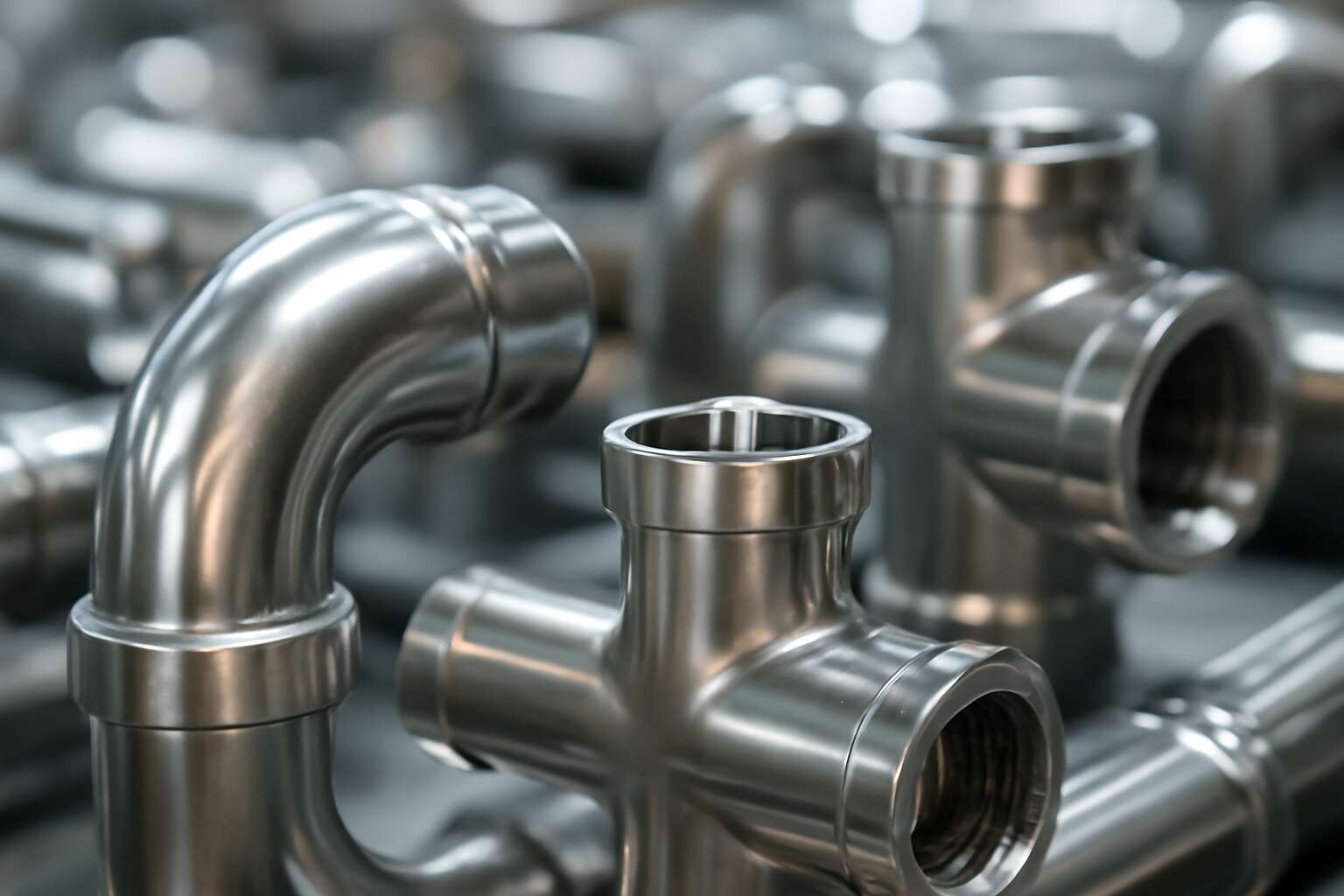
Understanding pipe fittings types
Overview of pipe fittings types
In South Africa, a well-planned plumbing system begins at the joint. “Quality joints outlive rushed fixes,” says a veteran plumber, underscoring how choices at the start save headaches later. The philosophy is simple: pick fittings that respect pressure, temperature, and accessibility.
Understanding pipe fittings types is about matching form to function. Here are common players in most builds:
- Elbows (bends to redirect flow)
- Tees (split or combine pathways)
- Couplings (simple joins)
- Reducers (diameter transitions)
- Caps and plugs (end seals)
Material compatibility and installation context shape choices for everyday SA projects, and the right connections make maintenance gentler and longer-lasting. When you pick thoughtfully, the workflow of water delivery runs smoother—pipe fittings 110 can be a quiet backbone of reliability.
Common material options
In a water-scarce context like South Africa, pipe fittings 110 matter more than the label. A well-chosen option keeps pressure steady, resists corrosion, and outlasts the season’s heat. That means weighing supply chains, local availability, and the project’s expected life. A thoughtful fit today translates into fewer repairs tomorrow.
Common material options balance price, durability, and local supply. Consider these options, available in many SA projects:
- PVC (polyvinyl chloride)
- Copper
- Stainless steel
- PEX (cross-linked polyethylene)
- Brass
- Ductile iron
Each material behaves differently under pressure, temperature swings, and exposure to the elements. Accessibility for installation and future maintenance also matters, shaping whether a joint lasts a decade or two longer.
Key standards and sizing
Get the basics right: pipe fittings types aren’t decorative doodads—they’re the architecture that keeps pressure, heat, and human patience intact. Key standards map how fittings connect, seal, and endure. In South Africa, you’ll see a mix of ANSI/ASME, ISO, and local SANS provisions guiding thread form, material compatibility, and test methods. When sizing, think nominal pipe size (NPS) for imperial work and DN for metric projects; schedules reveal wall thickness and pressure rating. This matrix decides whether a joint survives a season or a decade.
Consider these standards-and-sizing cues:
- Nominal pipe size (NPS) vs DN mapping and cross-reference charts
- Pressure rating, temperature range, and schedule (SCH)
- Joining methods: threaded, soldered, or mechanical connectors
For projects described as pipe fittings 110, the right standard and size pairing isn’t vanity—it’s reliability under SA heat and supply-chain quirks.
Choosing the right type for applications
Every joint tests more than metal; it tests patience, pressure, and whether a project keeps its promise. In South Africa’s furnace of heat and supply quirks, pipe fittings 110 isn’t vanity—it’s reliability in action. “The fit decides if a system breathes or breaks,” an industry veteran likes to say, and the truth lands hard when deadlines loom.
Understanding pipe fittings types means weighing function over form. For different applications, the right type balances ease of assembly with long-term seal. A compact list helps:
- Threaded connections for serviceability and reuse
- Soldered or welded options where heat and corrosion are hazards
- Mechanical couplings for quick maintenance in challenging spaces
Choosing the correct type supports performance under pressure and protects capital over time.
Materials and finishes for pipe fittings
Steel and stainless steel fittings
Reliability is tactile, a quiet insistence that steel and stainless steel fittings carry through the pressure without fanfare. “Steel wears its history in every seam,” a fellow engineer once said, and the truth lingers in a well-finished joint. In pipe fittings 110, the choice between carbon steel and stainless steel hinges on corrosion resistance, temperature, and flow cleanliness.
Steel offers robust, cost-conscious options: galvanised shells, black-oxide surfaces, and ready-for-paint finishes. Stainless steel, particularly grades 304 and 316, resists chlorine and coastal SA humidity with grace. Finishes like passivation and electropolishing reveal a smoother interior for cleaner flow.
- galvanised carbon steel
- black-oxide with painted exterior
- 304/316 stainless with passivation
In South Africa’s diverse climates, finishes for fittings must withstand local water quality and exposure, ensuring seals hold and assemblies endure beyond their service life.
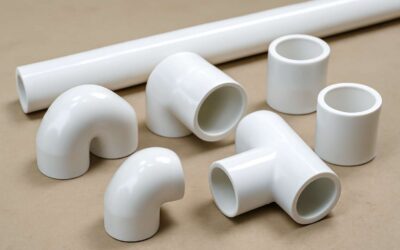
PVC and CPVC options
PVC and CPVC are the quiet heavyweight contenders in pipe fittings 110. A field note from a SA plumber says it best: a well-executed PVC joint can slash maintenance downtime. PVC keeps costs down and installs simple; CPVC steps up with higher temperature tolerance and better chemical resistance for chlorine-heavy taps and coastal humidity.
Finishes and joining methods depend on the job. PVC typically uses solvent cement with primer for a tight seal; CPVC uses the same approach but handles hotter service. For spaces where access is awkward, mechanical compression fittings save time. Outdoor SA projects benefit from UV-stable finishes that resist sun and salt air.
- Solvent cement and primer for PVC
- CPVC solvent cement for higher temperature service
- Mechanical compression fittings for easy maintenance
- UV-stable exterior finishes for outdoor use
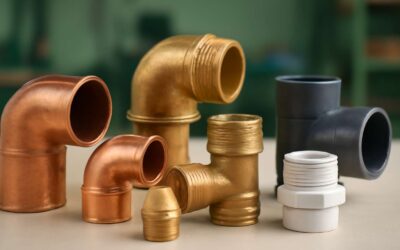
Brass and copper fittings
In SA workshops, brass and copper fittings often outlast cheaper options—one journeyman reminds us, “Copper never forgets a good joint.” This is the quiet heart of pipe fittings 110, where finish and function meet hard-won rural life.
Brass brings easy machinability and solid corrosion resistance in everyday pressures. Finishes range from lacquered brass to brushed or antique patina, guarding against tarnish in busy kitchens and workshop sheds. They pair well with compression and threaded joints for retrofit work.
Copper fittings excel under hotter service and with tougher media. A natural patina may be prized, or lacquer can lock in brightness for outdoor use. Copper’s high thermal conductivity keeps long runs steady, a small comfort on chilly SA evenings.
- Lacquered copper stays bright longer in sun-drenched spaces.
- Lacquered brass resists tarnish in busy kitchens.
- Mind galvanic pairs when joining with stainless steel to avoid corrosion.
Cast iron and ductile iron varieties
“Durability outlives trends,” my mentor says, and it rings true for pipe fittings 110. In South Africa’s buried networks, cast iron and ductile iron endure where cheaper materials falter, turning pressure into performance and memory into reliability. This is the quiet heart where finish and function meet.
Grey cast iron carries a stubborn rigidity ideal for gravity-fed mains and cement-lined joints, enduring rough soils and long runs. Ductile iron, by contrast, moves with the flow—higher ductility and shock resistance allow thinner walls and tighter tolerances. Finishes range from epoxy and enamel to protective coatings that guard against soil chemistry.
In practice, finishes and lining choices shape service life in SA’s varied soils.
- Cement-lined cast iron for wastewater and aggressive soils
- Ductile iron’s higher impact tolerance and lighter walls
- Epoxy or bituminous coatings for outdoor and corrosion resistance
These nuances keep this range relevant to engineers and builders alike.
Coatings and corrosion resistance
“Durability outlives trends,” rings true for pipe fittings 110. In SA’s buried networks, finishes do the heavy lifting—protecting against soil chemistry and moisture while keeping flow steady. These finishes set the stage for reliability across long runs and challenging soils!
Coatings and corrosion resistance options that fit SA conditions include:
- Fusion-bonded epoxy (FBE) for buried mains
- Epoxy and enamel finishes for indoor or protected runs
- Bituminous and polyurethane coatings for outdoor exposure
- Cement lining for aggressive soils in cast or ductile iron fittings
Beyond coatings, consider internal finishes that resist flow-accelerated corrosion and protect against stray electrical potentials in SA networks. The right combination boosts service life without complicating installation.
Sizing, threads, and compatibility
Understanding nominal pipe size and DN
Sizing in relation to pipe fittings 110 hinges on translating real-world diameters into workable standards. The nominal pipe size (NPS) and the metric DN are guides, not exact measurements, guiding engineers to select couplings that align with internal bore and pressure class. When pipe fittings 110 are specified, the goal is to minimize mismatch between the pipe’s exterior diameter and the connector’s bore, preserving flow and integrity while respecting local codes in South Africa.
- NPT (National Pipe Thread)
- BSP (British Standard Pipe)
- DIN/ISO metric threads
Threads must be matched to both pipe and fitting; misalignment invites leaks and fatigue. A quick check of standard options helps ensure a reliable seal across connections:
Compatibility extends beyond threads: materials, coatings, and pressure ratings must harmonize—especially in hot-water, potable, and chemical service. In South Africa, aligning DN and NPS with local stock ensures smooth integration with existing infrastructure and suppliers, preserving durability and professional pride.
Thread types and connections
A single thread out of place can turn a smooth flow into a stubborn leak. Sizing and thread selection aren’t mere numbers—they shape reliability. When choosing pipe fittings 110, the goal is to harmonize with bore and pressure class using NPT, BSP, or DIN/ISO threads to prevent misalignment and fatigue.
- NPT (National Pipe Thread)
- BSP (British Standard Pipe)
- DIN/ISO metric threads
Compatibility goes beyond threads: materials, coatings, and pressure ratings must harmonize—especially for hot-water, potable, and chemical service. In South Africa, lining up DN and NPS with local stock ensures smooth integration with existing infrastructure and durable connections.
Sealing and gasket choices
A flawless seal can save a facility thousands—a single ill-fitting thread can turn a smooth flow into a stubborn leak. In the world of pipe fittings 110, sizing and thread compatibility determine reliability as surely as bore and pressure class do. NPT, BSP, and DIN/ISO threads map the landscape, yet true cohesion shows itself where seals meet threads. When bore and service align, fatigue and leaks fade from the equation.
Sealing and gasket choices anchor performance across hot-water, potable, and chemical service. Consider this spectrum:
- PTFE tape or thread sealants
- Rubber, nitrile, Viton, or PTFE-faced gaskets
- Flange face seals where required
Across South Africa, aligning DN and NPS with local stock keeps connections durable and easy to audit, reinforcing the trust built into every installation.
Pressure and temperature ratings
Across South Africa’s industrial belts, nearly 1 in 5 line stoppages trace to mismatched threads and improper sizing. The first kiss of a connection is its fit; every turn of the thread should promise reliability, not a reluctant leak.
Within pipe fittings 110, sizing and thread compatibility govern performance as surely as bore and service class. Align DN to NPS, respect thread pitch, and mind sealing envelopes; the right combination withstands pressure surges and seasonal heat without fatigue.
Consider these factors when judging compatibility:
- Pressure and temperature ratings must match the service environment
- Sealing method must suit the chosen thread and gasket material
- Material pairings should avoid galling and corrosion at contact surfaces
Adaptors and coupling compatibility
Across South Africa’s industrial belts, almost 20% of line stoppages trace to mismatched threads and improper sizing. In pipe fittings 110, sizing and thread compatibility are the quiet hinges of reliability; a well-fitting joint glides through pressure swings and seasonal heat.
When adapters and couplings enter the picture, compatibility becomes a careful artistry. Adaptor types that keep systems singing include:
- Reducing adaptors to bridge diameter gaps
- Union couplings for serviceable joints
With pipe fittings 110, the affair of connection thrives where threads match and seals perform their part without drama. Adaptors and couplings must coexist with materials and service conditions, sustaining pressure surges and thermal cycles with grace.
Installation best practices and tools
Cutting, deburring, and cleaning pipes
Clean joints are the quiet guardians of a steady flow—the tiniest burr can turn a promise into a drip and shadows into leaks. Installation best practices for pipe fittings 110 weave craft with care, honoring square cuts, true alignment, and pristine surfaces that meet the light with confidence.
- Pipe cutter or fine-toothed saw to produce square ends
- Deburring tool or file to smooth edges and remove specks
- Lint-free cloths and approved cleaners for a clean work surface
In South Africa, where environmental demands meet bustling construction timelines, ends free of oils, dust, and corrosion inhibitors safeguard performance. A mindful approach to cutting, deburring, and cleaning keeps pipe fittings 110 working as the quiet hinge of reliability from coast to coast.
Thread sealing methods
Installation best practices for pipe fittings 110 fuse craft with care, turning joints into reliable arteries of a building. A clean surface, true alignment, and properly torqued connections guard against leaks and pressure drops. In South Africa’s bustling sites, consistent sealing and thoughtful orientation keep systems singing from coast to coast.
- Pipe wrench or adjustable spanner
- Deburring tool
- Lint-free cloths
- Thread sealant options (PTFE tape or pipe joint compound)
Thread sealing methods vary for pipe fittings 110. PTFE tape, pipe joint compounds, and paste sealants each suit different metals and service temperatures. Choose a compatible option, ensure threads are clean and dry, and avoid over-tightening to preserve longevity.
Proper support and alignment
On South Africa’s bustling sites, precision isn’t optional—it’s the difference between a quiet system and a chorus of leaks. Proper support and alignment keep runs true, joints tight, and pressure steady. For pipe fittings 110, the skill lies in marrying clean surfaces with measured torque and thoughtful orientation, so every elbow and tee carries the load without warping or fatigue.
- Pipe wrench or adjustable spanner
- Deburring tool
- Lint-free cloths
- Thread sealant options (PTFE tape or pipe joint compound)
Keep threads clean and dry, avoid over-tightening, and let the assembly breathe under steady conditions. The right tools and discipline translate into longevity, fewer leaks, and safer sites across the coast to coast.
Leak testing and verification
On South Africa’s bustling sites, pipe fittings 110 demand more than fit and finish; they crave vigilance. A recent on-site audit shows leaks from improper testing can waste thousands of litres a week on busy projects. Proper assembly with clean surfaces, mindful orientation, and steady torque helps the system breathe and holds steady pressure.
For leak testing and verification, approach the job with calm, measured observation rather than haste. Submerge the install in a safe test medium or apply a soapy solution to joints and watch for bubbles. Maintain containment and monitor gauges closely, noting any drift in pressure that hints at a hidden seam or misalignment.
Test options include:
- Hydrostatic verification with water-filled runs
- Pneumatic verification in controlled, low-risk zones
- Soapy-bubble visualization for rapid evidence of leaks
Safety and handling guidelines
On busy South African sites, a single misstep or rushed install can waste thousands of litres weekly. For pipe fittings 110, installation demands patience, intention, and respect for every surface. The goal: joints that breathe with the system and endure.
Safety starts well before tightening. PPE on, lockout-tagout observed, clamps secure, and surfaces scrubbed free of oil and grit. Handle with care, avoid over-torquing, and choose compatible materials. Keep the work area contained, and treat every joint as a living seam that must not falter.
Essential tools include:
- Torque wrench with calibrated settings
- Deburring tool
- Pipe cutter or saw with clean cut
- Soap solution or leak detector spray
- Goggles and gloves
Respect the materials, listen to the metal, and the system will tell a steady story!
Buying guide and sourcing considerations
Quality and certifications to look for
Quality fittings don’t shout; they perform—the quiet backbone of every piping project. For pipe fittings 110, the buying guide centers on trust, traceability, and timeliness. In South Africa, where delivery windows shift with demand, a supplier who offers transparent material data sheets, clear lead times, and reliable stock matters more than a flashy price. The right origin and rigorous testing keep the system true from valve to valve and prevent costly leaks down the line.
- Material provenance and traceability from mill to site.
- Certified quality systems (ISO 9001, SANS marks) and third‑party tests.
- Local stock, quick delivery, and after‑sales support within South Africa.
Quality and certifications to look for include robust quality management systems, local SANS marks, and third‑party testing. Documentation such as mill test reports and conformity certificates provide assurance. Warranties and responsive service complete the package for long‑term installations.
Cost considerations and budgeting
Time is money—especially on South Africa’s busy build sites. For pipe fittings 110, the buying decision hinges on reliability, traceability, and total lifecycle cost rather than a flashy price tag.
Buying guide and sourcing considerations demand clarity: transparent material data sheets, clear lead times, and local stock reduce surprises. Currency swings and freight costs can tilt the bottom line, so suppliers who guarantee price stability and show end-to-end provenance win long-term trust—and feel like a steady pulse in a restless market.
- Transparent pricing and lead times
- Local stock availability in South Africa
- Strong after-sales support and warranties
Budgeting for pipe fittings 110 becomes a quiet calculus between upfront cost and long-term performance, where waste and reliable supply quietly shape project resilience.
Where to source pipe fittings from reliably
On South Africa’s bustling sites, a single hour can cost a fortune, and smart sourcing decisions keep that toll within reason. For reliability, documented provenance, and lifecycle value outshine flashy discounts. A supplier network becomes the steady heartbeat on a restless market, delivering calm, predictable service and durable partnerships.
Where to source reliably? Local stockists, authorised manufacturers, and trusted distributors who can prove provenance and offer transparent pricing. For pipe fittings 110, seek partners who guarantee price stability and end-to-end supply. Consider these practical markers:
- regional stock in major centres
- clear product documentation and certifications
- robust after-sales support and warranties
Local procurement reduces surprises, strengthens project resilience, and keeps your project pulse steady—even when freight winds shift and currencies sway.
Maintenance and replacement planning
Buying for pipe fittings 110 isn’t merely chasing price tags; it’s curating a supply chain that can weather SA’s logistical whims. A pragmatic buying guide prioritises regional stock, documented provenance, and transparent end-to-end service—quietly outperforming flashy discounts when a project hums along under pressure.
Consider these markers:
- regional stock in major centres
- clear product documentation and certifications
- robust after-sales support and warranties
- price stability and end-to-end supply
Maintenance and replacement planning is about lifecycle stewardship—keep tabs on spare parts, warranty windows, and supplier performance so a minor fault doesn’t derail the project. Align with maintenance cycles, build a small, locally available spare stock, and document replacements for future audits.

0 Comments