
Understanding the Pipe Fitting Apprenticeship Landscape
Overview of the Pipe Fitting Apprenticeship Path
The pipeline of opportunity runs through the pipe fitting apprenticeship in South Africa, where hands-on skill meets steady craft. In SA, aspiring fitters blend on-the-job training with classroom theory under the SETA system, often earning while they learn. A veteran foreman likes to remind crews: quality shows in the weld and the habits you build!
Understanding the pathway means tracing a steady balance of work and study. The journey typically starts with securing an employer sponsor and enrolling in the formal program. Training alternates between practical site work and block-release theory at a technical college, with the full apprenticeship spanning about four years. Upon completion, a trade test confirms journeyman status and opens doors across maintenance, fabrication, and new-build projects.
- Find an employer sponsor and sign a contract.
- Attend trade theory courses and safety modules.
- Pass the trade test to qualify as a journeyman.
<li accumulate on-site hours under experienced mentors.
Core Skills Taught During Training
Within South Africa’s sun-warmed workshops, the pipe fitting apprenticeship stands as a rite of craft where metal glows and precision whispers. Trainees move through a realm where concepts become joints, the chisel becomes compass, and every cut asks for respect. It’s a funnel of discipline: safety, measurement, and patience choreographing a future where reliable systems keep towns connected.
Core competencies taught through the curriculum unfold like a master’s spellbook:
- Blueprint literacy for drawings, P&IDs, and isometrics
- Accurate measurement, layout, and alignment for seamless joints
- Threading, cutting, bending, and joining techniques
- Welding, brazing basics, and quality inspection fundamentals
When practice and theory mingle on the workbench, apprentices emerge with the confidence to troubleshoot, uphold standards, and contribute to both maintenance and new-build projects.
Typical Duration, Hours, and Milestones
In South Africa, the pipe fitting apprenticeship typically spans four years, translating to roughly 6,000 to 8,000 hours of on- and off-the-job training. “A skilled pipe fitter can save a plant thousands in downtime” — a reminder that precision matters from day one.
- Foundations: safety, drawings, and basic tool use
- Hands-on: layout, cutting, threading, and jointing
- Certification: inspection, testing, and readiness for independent work
That cadence blends theory with shop floor practice, shaping apprentices who can troubleshoot, maintain, and contribute to both maintenance and new-build projects.
What You Can Expect After Completion
Across South Africa’s industrial landscape, the pipe fitting apprenticeship acts like a quiet loom, weaving precision into every joint. Completing it signals more than a credential; it marks a craftsman ready to read drawings, troubleshoot, and contribute to both maintenance and new-build projects.
After completion, opportunities unfold in steady, tangible ways:
- Maintenance and commissioning roles in manufacturing, mining, and power facilities
- Independent troubleshooting and system improvements on pipe networks
- Paths into supervision, project coordination, or quality assurance within a growing team
A career in this field rewards hands-on curiosity, safety-minded collaboration, and the quiet art of listening to metal sing as conditions shift from shift to shift.
Getting Started: Eligibility and Applications
Minimum Qualifications for the Pipe Fitting Apprenticeship
South Africa’s workshops keep the lights on, and a solid pipe fitting apprenticeship lights up a career. Think steady hands, real pay, and a future built on fittings and fixtures. As one foreman likes to say, reading a plan and loving a wrench is half the battle.
Eligibility hinges on a few baselines. Typical minimum qualifications include:
- Be 18 years or older (some programs accept slightly younger apprentices).
- Grade 10 or 12 with passes in mathematics and science.
- South African ID or valid work permit.
- Good physical fitness and the ability to work safely in a team.
Applications are usually handled through accredited training providers, employers, or SETA-approved channels. You’ll need standard documentation—proof of identity and academic records—and a brief note about your willingness to learn. Once in the pipeline, you’ll enter a structured path blending on-site practice with classroom fundamentals.
Where to Find Approved Programs and Sponsors
South Africa’s skilled-trade pulse is speeding up: trade bodies report double-digit growth in demand for qualified pipe fitters. The pipe fitting apprenticeship is a doorway into a craft where metal yields to measurement and imagination. Reading a plan and loving a wrench, as one foreman likes to say, is half the battle.
Getting started hinges on a few baselines and a clear path. Applications flow through accredited training providers, employers, or SETA-approved channels, with standard documents and a short note about your willingness to learn.
- Accredited training providers
- Employers running apprentice schemes
- SETA-approved channels
- Industry associations and technical colleges
This journey blends on-site practice with classroom fundamentals, cultivating a future where every joint carries purpose.
Application Steps, Deadlines, and Tips
In South Africa, demand for skilled pipe fitters is fueling fast, double-digit growth across trade channels. Getting started hinges on eligibility: standard documents and a short note about your willingness to learn, then choosing an approved path through accredited training providers, employers with apprentice schemes, or SETA-approved channels. The pipe fitting apprenticeship is a doorway into a craft where precision meets imagination.
- Identify an approved entry point — accredited training providers, employers running apprentice schemes, or SETA-approved channels.
- Assemble the basics: ID, academic records, proof of residence, and a concise note about your eagerness to learn.
- Submit your application through the chosen channel and monitor intake deadlines.
Deadlines vary by provider and region; mark intake windows on a calendar and set reminders. Tip: tailor your note to reflect hands-on curiosity, keep copies of all documents, and follow up politely after submission to show you mean business.
Curriculum Breakdown: Skills, Tools, and Techniques
Hands-on Pipe Fitting Techniques and Procedures
In South Africa’s high-stakes construction world, hands-on training pays off fast. On projects where joints must hold under pressure, precision is everything. A mentor once said, “Precision is the standard,” and this program builds it from day one.
Curriculum Breakdown: Skills, Tools, and Techniques. This curriculum underpins the pipe fitting apprenticeship, detailing how to read drawings, calculate tolerances, and plan joints. The emphasis is on hands-on pipe fitting techniques and procedures that translate to real sites, from layout to final seal.
- Skills: blueprint literacy, measurement accuracy, material knowledge
- Tools: pipe cutters, deburrers, threaders, soldering irons
- Techniques: threading, soldering, brazing, gasketed joints
Applied practice turns theory into reliable results on every South African project.
Reading Blueprints and Spec Sheets
In South Africa’s high-stakes construction world, blueprint literacy doubles as a survival skill. Studies show rework can be slashed by up to 60% when drawings and spec sheets are read accurately. “Read the drawing, own the joint,” a veteran foreman likes to say—it’s the mindset shaping every apprentice from day one.
Curriculum Breakdown: Skills, Tools, and Techniques centers on the bedrock of blueprint literacy and spec comprehension. Apprentices learn to read drawings, extract tolerances, and translate plans into on-site action.
- Reading blueprints and spec sheets with confidence
- Extracting tolerances and material specs for each joint
- Planning layout, sequence, and assembly steps on site
Applied practice spirals from theory to reliable site performance. In the pipe fitting apprenticeship, this reading work becomes hands-on precision on every South African project. The lines on the page become seals, joints, and the rhythm of a fully connected pipeline.
Welding, Brazing, and Soldering Basics
‘The pipe never lies,’ a veteran foreman likes to say, and mastering welding, brazing, and soldering is how you hear its truth on a South African site. In this Curriculum Breakdown, apprentices encounter three metal-joining languages that turn drawings into durable pipelines and safe operation on the job.
- Arc welding, MIG, TIG proficiency
- Brazing with proper flux and filler
- Soldering small-diameter joints with controlled heat
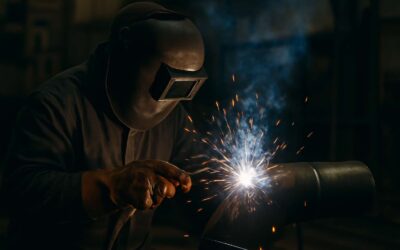
From heat-impulse welding to controlled filler flow, the basics cover technique, equipment, and material compatibility. Students practice with MIG, TIG, and arc methods, learn brazing alloys and flux handling, and master soldering for tight, corrosion-resistant seals. PPE and discipline anchor every session. In the pipe fitting apprenticeship, these basics fuse theory with field-ready muscle.
On site, this foundation translates into reliable performance under pressure, with joints that speak for the crew and the pipeline’s integrity.
Safety Standards and Compliance
Across South Africa, pipeline projects demand more than theory—they demand disciplined hands and sharp judgment. The Curriculum Breakdown for the pipe fitting apprenticeship anchors three pillars: Skills, Tools, and Techniques, and it sits on a foundation of Safety Standards and Compliance.
In practice, apprentices translate drawings into reliable joints through precise measurement, alignment, and material assessment—without retracing earlier subheaders. The focus is on applying system-wide thinking, maintaining quality under pressure, and documenting progress for traceability.
- Safety standards compliance aligned with SA regulations, including the OHS Act and Construction Regulations
- Tool proficiency and PPE discipline with field-ready equipment and practices
- Quality assurance and documentation to ensure joint integrity and traceability
Quality Control and Troubleshooting
In South Africa’s pipeline world, a single flawless joint can mean days of service rather than days of downtime. The Curriculum Breakdown for the pipe fitting apprenticeship sharpens three core threads—Skills, Tools, and Techniques—woven into a steady march toward reliable, field-ready practice. Quality control and troubleshooting sit at the heart of every module, guiding apprentices to forecast issues before they appear and to read fitments with a lantern of experience.
- Accurate measurement, alignment, and marking to spec
- Tool proficiency, calibration, and PPE discipline
- Systematic fault-finding and leak detection through controlled tests
With each stage, documentation and traceability become second nature, turning hands-on capability into trusted competence for life on site.
Career Path, Certifications, and Advancement
National vs Local Certifications for Pipe Fitters
“The pipe never lies,” a veteran foreman likes to say, and the implication is clear: mastery follows commitment. For aspiring pipe fitters in South Africa, the pipe fitting apprenticeship is the gateway to a steady career that moves beyond basic tasks to supervising crews, reading complex specs, and shaping large-scale infrastructure projects.
Certifications seal credibility. National credentials offer portability across provinces and sectors; local endorsements ensure alignment with municipal codes and company standards. The following options often appear in South Africa’s trade landscape:
- National/SAQA-aligned certificates
- Provincial or local trade endorsements
- Employer-specific qualifications and safety accreditations
Advancement is earned through hands-on leadership, a wider toolkit, and ongoing training. Those who blend field experience with a recognized pipe fitting apprenticeship and certification—especially when it spans national and local endorsements—find opportunities as foremen, project coordinators, or quality inspectors, all while staying close to critical piping systems.
Career Ladders: From Apprentice to Journeyman to Supervisor
From the first spark of metal to the measured cadence of a completed joint, the career in South Africa follows a stark ascent: apprentice, journeyman, supervisor. The pipe fitting apprenticeship is the gate that widens into foreman duties, where crews are guided, specs are read with intuition, and infrastructure breathes!
Certifications seal credibility. National SAQA-aligned certificates offer portability across provinces; provincial or local endorsements ensure alignment with municipal codes; employer-specific qualifications anchor safety standards. The path often includes:
- National/SAQA-aligned certificates
- Provincial or local trade endorsements
- Employer-specific qualifications and safety accreditations
Advancement is earned through hands-on leadership, a broader toolkit, and ongoing training. Those who blend field experience with a recognized pipe fitting apprenticeship and certification—especially when it spans national and local endorsements—progress toward foreman, project coordinator, or quality inspector positions, staying close to critical piping systems.
Continuing Education and Specializations
“The blueprint is a map, but hands give direction.” In South Africa, the career path climbs with a deliberate rhythm—from apprentice to journeyman to supervisor—each rung expanding your scope and responsibility. The pipe fitting apprenticeship is the gate that widens into foreman duties, where crews are guided, specifications are read with intuition, and vital infrastructure breathes with purpose.
Certifications seal credibility. National SAQA-aligned certificates offer portability across provinces; provincial or local endorsements ensure alignment with municipal codes; employer-specific qualifications anchor safety standards.
- National/SAQA-aligned certificates
- Provincial or local trade endorsements
- Employer-specific qualifications and safety accreditations
Advancement comes through hands-on leadership, a broader toolkit, and ongoing training. Those who blend field experience with a recognized pipe fitting apprenticeship and certification—especially when spanning national and local endorsements—move toward foreman, project coordinator, or quality inspector roles, with continuing education and new specializations sharpening every joint’s reliability.
Job Outlook and Salary Expectations
South Africa’s industrial heartbeat skims along on the shoulders of skilled hands. The pipe fitting apprenticeship is a doorway to a living craft, where precise joints and a confident read of blueprints keep water and power flowing to communities. I’ve watched the path gain rhythm: hands learn, eyes sharpen, and responsibility swells with every completed fit.
Certifications seal credibility across provinces and plants. National SAQA-aligned credentials travel, provincial endorsements align with local codes, and employer-specific qualifications anchor on-site safety.
- National/SAQA-aligned certificates
- Provincial or local trade endorsements
- Employer-specific qualifications and safety accreditations
Advancement arrives through hands-on leadership, a broader toolkit, and ongoing training. Those who blend field experience with a recognized pipe fitting apprenticeship and certification—especially with national and local endorsements—rise to foreman, project coordinator, or quality inspector roles. Entry salaries start in the low six figures, climbing to mid or higher six figures as responsibility grows.
Land Your Apprenticeship: Tips, Resources, and Networking
Networking with Union and Non-union Programs
Every doorway into the pipe fitting apprenticeship in South Africa is a conversation before it is a contract. Unions and SETA-backed training centers cluster opportunity, guiding aspirants toward programs that fit their strengths. Union pathways offer structured mentorship and steady site access; non-union routes can provide broader employer exposure and flexible schedules. Resources like accredited technical colleges and sponsor programs turn potential into progress, weaving theory with hands-on discipline. The right approach doesn’t merely teach; it tests character and reveals what a person is willing to show up to on day one.
- Mentorship that cultivates practical wisdom and resilience
- Access to sponsor networks and varied workshop environments
- Alignment with local demand to sustain purpose and growth
These elements echo the enduring reality of union and non-union programs, shaping a path that feels less like a plan and more like a calling.
Crafting a Standout Application and Resume
In South Africa, the gap between a quiet workshop and a thriving tool belt is a standout application. Statistically, successful applicants land spots when a sharp resume meets real-world networking. The pipe fitting apprenticeship depends on that blend—show hands-on grit and credible sponsorship, and the shop floor will notice you. A veteran mentor once quipped: you’re selling a future built with pipe and perseverance.
- A lean resume foregrounds hands-on tasks and safety.
- Evidence of mentorship or sponsor involvement strengthens credibility.
- Networking moments at open days and industry meetups widen opportunity.
Resources such as accredited colleges and sponsor programs turn potential into progress, while local unions and SETA-backed centers keep opportunities aligned with South Africa’s needs.
Interview Prep and Practical Assessments
South Africa’s piping world rewards bold first impressions. Industry data show that 62% of successful applicants secure placements when a sharp resume pairs with real-world networking. For the pipe fitting apprenticeship, that blend is your opening valve—proof that you’re ready to weld a future built with pipe and perseverance.
- Concise narratives that highlight safety and efficiency from hands-on work.
- Mentorship and sponsor relationships with local trades enrich credibility.
- Document outcomes from projects and tests to showcase impact.
On interview day, speak in concrete terms about blueprints, joints, and method.


0 Comments