Foundations of Pipe Fitting Basics
What is pipe fitting and why it matters
A foreman once whispered, “Even the smallest joint can weather a storm.” Foundations of pipe fitting basics thread through joints, tolerances, material choices, and sealants. In the realm of pipe fitting for beginners, this primer maps a labyrinth of elbows and tees, offering a steady lantern for hands that shape flows and seal leaks, beneath a South African sky where rain tests every seam. The craft marries precision with patience, listening to the hiss of metal and the quiet sigh of pressure.
Here, the pillars that uphold the craft:
- Joints and fittings: elbows, tees, and couplings
- Sealants and tapes: PTFE tape and pipe dope
- Tools and measurement: levels, wrenches, and calipers
In the glow of workshop lamps, the basics reveal their quiet architecture, a narrative of conduct and care that shapes every spray and every sighing pipe!
Types of pipes and fittings: PVC, copper, PEX, steel
Foundations of pipe fitting basics unfold where light meets metal and rhythm meets pressure! In a South African workshop, pipe fitting for beginners begins by knowing the four main materials that shape most projects: PVC, copper, PEX, and steel.
- PVC — affordable, corrosion resistant, ideal for cold-water lines and drainage.
- Copper — durable, conducts heat well, common for mains and fittings.
- PEX — flexible, quick to install, great for retrofits and tight spaces.
- Steel — strong, handles high-pressure systems and outdoor exposure.
Each material sets its own rhythm for joints and seals, inviting care, measurement, and a craftsman’s patience as the work takes shape beneath the South African sky.
Basic measurement and sizing explained
Size is the quiet variable that governs flow, pressure, and fit. In South Africa’s workshops, the basics begin with nominal size, outer diameter, and wall thickness. Pipe numbers aren’t exact rulers—the nominal size is a guide that helps you navigate fittings, schedules, and compatibility. You’ll soon see how these three measurements set the rhythm of every joint under the SA sky.
Understanding measurement means translating labels into reality: the nominal size speaks to the bore, while the actual outer diameter tells you what a fitting must accept. Different materials have different wall thicknesses (the schedule in steel, or the wall class in plastics) that affect strength and seal. When you align these facts, you position yourself for reliable joints without guesswork. This is the heart of pipe fitting for beginners.
Common terminology you’ll encounter
South Africa’s workshops hum with a quiet truth: a single well-placed joint can outlast a season of hard work. Measure twice, fit once—an adage that feels almost liturgical under the SA sun. Accuracy is the difference between routine and ritual in pipe work.
This primer on pipe fitting for beginners reveals common terminology you’ll encounter in the field. Key terms to latch onto include:
- Nominal size
- Outer diameter (OD)
- Wall thickness
- Schedule or wall class
- Bore
Nominal size hints at the bore, while the actual outer diameter defines what a fitting must accept. Wall thickness, governed by schedule or wall class, shapes strength and seal.
In SA workshops, that vocabulary becomes a compass, guiding exact joints over guesswork and turning practice into craft.
Common Pipe Fittings and Their Uses
Elbows, Tees, and Couplings overview
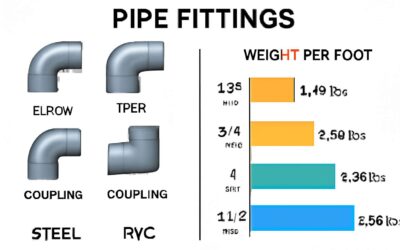
Elbows, tees, and couplings form the backbone of practical plumbing in South Africa. Elbows bend the course of water around corners with minimal resistance, tees invite a branch for a new line or appliance, and couplings seal the gap between pipe segments and keep leaks at bay, as a whisper of metal seems to guide your hand. This primer on elbows, tees, and couplings is a solid entry point for pipe fitting for beginners.
Here’s a quick sense of their uses:
- Elbows steer flows around corners in kitchens and bathrooms.
- Tees split a line so a faucet or toilet can share it without a pressure drop.
- Couplings join straight sections for a continuous, leak-free run.
Understanding these pieces helps you navigate the broader world of pipe work, turning simple fits into reliable, lasting installations.
Identifying pipe threads and fittings standards
A tiny drip wastes thousands of litres a year, a sobering reminder that threads and seals are not cosmetic—they are essential. For pipe fitting for beginners, mastering common fittings and their thread standards is the practical doorway to reliable plumbing.
In South Africa, most household work uses BSP (British Standard Pipe) threads, with NPT-style fittings appearing in imported products. This is especially true for pipe fitting for beginners who are learning the ropes. Identifying the male and female ends helps you choose the right coupling or adaptors without guesswork.
- Common thread standards: BSPT/BSPP (South Africa-friendly) and NPT (more common in other regions)
- Fitting types that seal well: compression, flare, and solvent-cement joints
- Adapters and reducers enable compatibility across sizes and materials
With this knowledge, you can navigate fittings, threads, and standards confidently, turning a potential leak into a lasting seal.
When to use PVC vs metal fittings
A tiny drip wastes thousands of litres a year, turning a silent nuisance into a bill you can hear. For pipe fitting for beginners, understanding common fittings and their uses is the practical doorway to reliable plumbing. In South Africa, PVC works are common in homes, while metal fittings rise to meet heat, pressure, and outdoor exposure.
Common fittings to know:
- Compression fittings for a tight seal without heat or solvent
- Flare fittings where strength and a lasting seal are required
- Solvent-weld joints for clean, permanent PVC connections
- Push‑fit and threaded adapters for quick cross-material changes
Choosing between PVC and metal hinges on environment, pressure, and compatibility with existing threads; the right choice turns potential leaks into lasting seals.
Sizing and compatibility tips
A tiny drip wastes thousands of litres a year—a nagging reminder that precision matters. For pipe fitting for beginners, the aim is elegant reliability: a seal that behaves and a project that doesn’t pester the wallet.
South African homes lean on PVC for indoor plumbing, while metal fittings rise to meet heat, pressure, and outdoor exposure. Understanding how these pieces work reduces the mystery and the murmurs of leaks.
- Compression fittings: seal without heat or solvent
- Flare fittings: standout strength for long-lasting seals
- Solvent-weld joints: clean, permanent PVC connections
- Push‑fit and threaded adapters: quick cross-material changes
Sizing and compatibility sit at the heart of dependable joints—nominal sizes, thread standards, and material compatibility matter more than bravado. In SA, verify thread standards common in plumbing shops.
Tools, Materials, and Safety for Beginners
Essential hand tools and power tools
Selecting fittings materials and compatibility
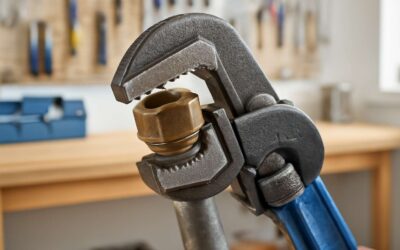
On the workbench, the truth about pipe fitting for beginners sinks in: tools shape confidence as surely as a well-worn road shapes a traveler. A dependable adjustable wrench, a sharp tube cutter, a measuring tape, and a bright light carry you through the first cuts and turns. They feel like old neighbors you can count on.
Choosing fittings materials and compatibility begins with listening to the system’s story. In South Africa, hard water and sun press us toward corrosion-resistant options. Polymers for flexibility, copper alloys for heat, and sturdy metals with protective coatings all deserve thoughtful consideration.
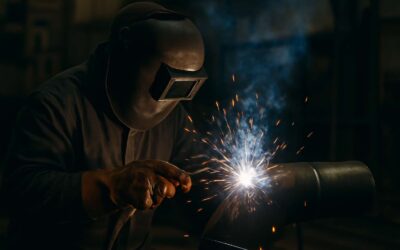
Safety is the steady hand behind every repair. Protective eyewear, gloves, and good ventilation shield the home and the craftsman. When water is shut and knowledge is clear, ordinary chores become reliable work, and the household breathes easier.
Safety guidelines and PPE
Tools are the first sentence in every home repair story. On the bench, a steady hand meets a reliable partner—a wrench that fits snugly, a cutter that sings, a tape that keeps truth close, and a lamp that never wavers. Confidence follows!
For pipe fitting for beginners, materials must earn their keep against South Africa’s sun and mineral water. Favor corrosion-resistant options—polymers for flexibility, copper alloys for heat, and protected metals when weather presses.
Safety is the quiet anchor of every repair. Equip the space and the body; ventilation breathes life back into the room, and eyes, hands, and lungs stay protected.
- Safety goggles or face shield
- Cut-resistant gloves
- Respirator or mask for dusty fumes
- Proper ventilation
- Hearing protection when tools roar
Installation Techniques and Best Practices
Step by step basic joint installation
In a sunlit workshop, the line that carries water tells a story. “A good joint is a quiet neighbor,” a seasoned fitter likes to say. For pipe fitting for beginners, the core truth is simple: steady hands, clean surfaces, and thoughtful alignment beat brute force every time. Pause, check the route, and let gravity do the rest.
- Plan the layout and dry-fit
- Clean, deburr and inspect joints
- Use compatible materials and sealants
- Support runs to prevent movement
These practices reduce leaks and late-night fixes, making a job that lasts on South Africa’s farms and towns. Patience is the best tool in a rural shed and in a city workshop alike.
Leak testing and sealing methods
Across South Africa’s farms and towns, wasted leaks drain more water than droughts care to. For pipe fitting for beginners, the test isn’t heroic force but a quiet, disciplined dialogue with every joint.
Leak testing methods—hydrostatic with water pressure, air pressure for speed, and the soap-bubble method for visual cues—reveal trouble without turning the workshop into a flood.
Sealing methods: match the sealant to the material; PTFE tape for threaded metal joints; pipe joint compound where tapes aren’t ideal; PVC uses solvent cement; silicone or plumber’s putty for gaps. Use surfaces clean and dry.
- Ensure joints are clean and free of debris
- Choose compatible sealants for materials
- Test within rated pressures
- Inspect connections after testing
In the world of pipe fitting, trust the signs of a sound seal more than brute force.
Typical mistakes and how to avoid them
In South Africa’s workshops and towns, pipe fitting for beginners becomes poetry in metal. “A clean joint today saves a flood tomorrow,” the old hands remind us. The rhythm favors patience over brute force, a measured touch that respects every material and thread.
Dry-fit first, align runs, and support long spans. Clean, dry surfaces; choose sealants by material: PTFE tape for threaded metal, pipe joint compound where tapes fail, PVC solvent cement, and silicone for gaps. Test at rated pressures and inspect connections after assembly.
- Over-tightening leads to stripped threads or cracked fittings—avoid by tightening to manufacturer specs and using a torque wrench.
- Using incompatible sealants or tapes can trap leaks—avoid by matching materials and following guidance.
- Skipping pre-fit checks or rough handling causes misalignment—avoid by dry-fitting, marking, and double-checking orientation.
Maintenance tips after installation
In the South African workshops, pipe fitting for beginners becomes poetry in metal, a moment when accuracy outshines haste. The installation stage carries consequence—today’s tidy joints guard tomorrow’s quiet flow, and a single misstep can echo through a whole system.
Installation techniques favor restraint over force: steady alignment, dry-fit checks, and controlled tightening to manufacturer specs. After the run is laid, best practices demand clear labeling, secure supports, and pressure tests at rated levels. The aim is integrity that lasts beyond the first thaw and flood.
- Post-install pressure testing and leak observation at rated level
- Secure supports, mark orientations, and keep joints accessible
- Document service history for future maintenance and upgrades
Maintenance tips after installation are not afterthoughts but the ongoing craft of reliability: monitor for movement, replace worn gaskets promptly, and schedule regular inspections. In the dance between material and thread, discipline preserves safety and service.

0 Comments