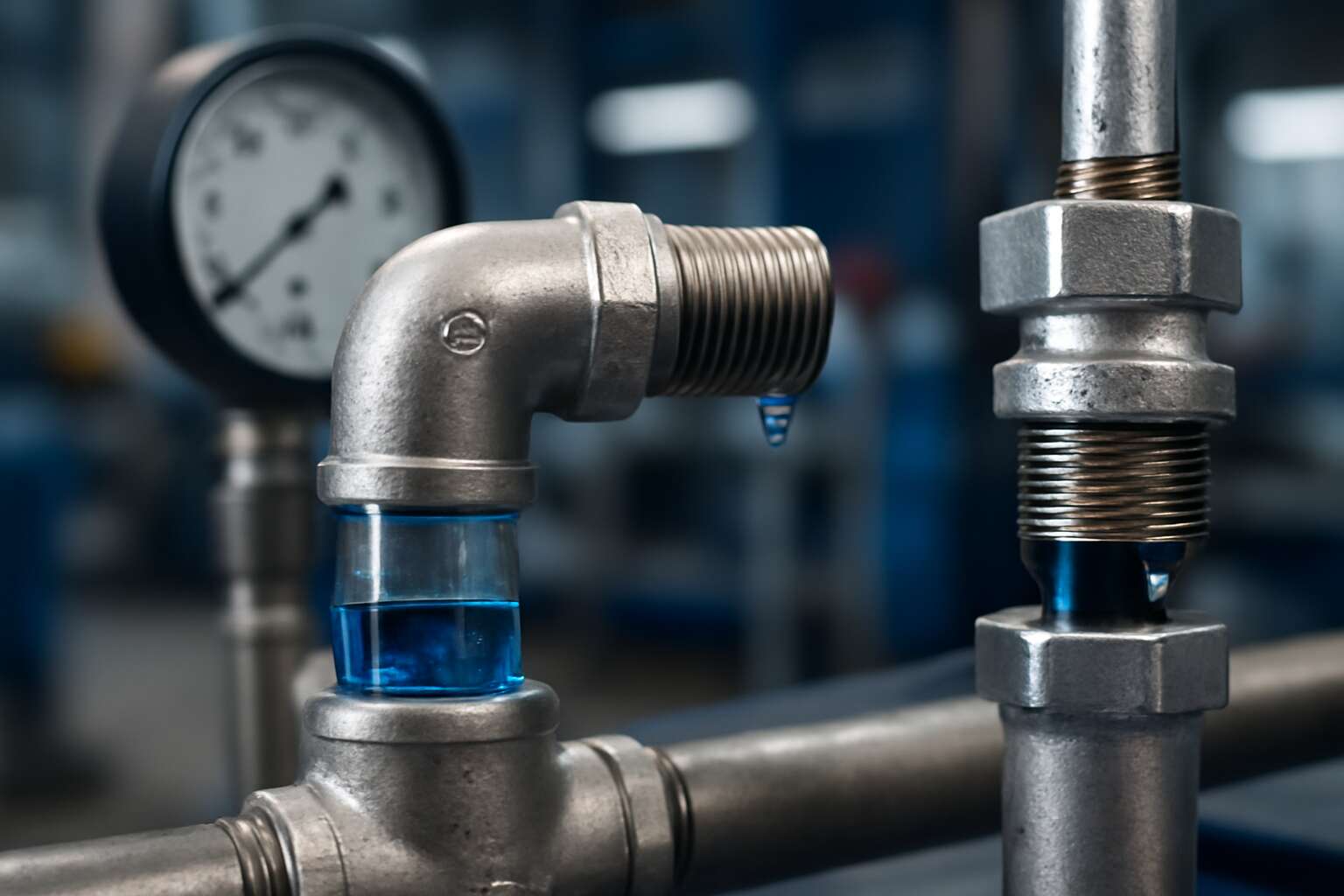
Understanding Pipe Fittings Testing
Overview of Pipe Fittings – Types and applications of pipe fittings
Few industrial processes evoke as much anticipation and scrutiny as the meticulous pipe fittings test. With infrastructure projects increasingly demanding reliability, understanding the nuances of testing various pipe fittings becomes paramount. These tests not only ensure safety but also extend the lifespan of vital infrastructure, especially in South Africa’s dynamic construction landscape.
At their core, pipe fittings—those essential connectors—come in a variety of types tailored for specific applications. Whether it’s elbows to navigate tight corners or couplings to join pipes seamlessly, each fitting serves a distinct purpose. During a pipe fittings test, manufacturers and inspectors scrutinize these components for integrity against pressure, corrosion, and wear. An effective test guarantees that fittings withstand the rigors of operational environments, which can range from water supply systems to chemical processing plants.
- Hydrostatic testing, which involves filling fittings with water and pressurizing to check for leaks.
- Non-destructive testing, including ultrasonic and radiographic techniques, to assess internal flaws without compromising the component.
- Material verification tests to confirm the fittings meet specified standards for durability and safety.
In South Africa, adherence to rigorous pipe fittings test standards is not merely a regulatory requirement but a testament to quality craftsmanship. Whether for industrial, commercial, or residential use, these tests underpin the reliability of every connection—an unglamorous yet crucial pillar of modern infrastructure. So, the next time you see a well-placed pipe fitting, remember: behind its sturdy façade lies a series of demanding tests that keep our systems flowing smoothly.
Importance of Testing – Ensuring quality, safety, and compliance
In the intricate web of modern infrastructure, the significance of a thorough pipe fittings test cannot be overstated. It’s the unseen guardian behind every reliable water line, every chemical conduit, and every essential connection that keeps South Africa’s bustling industries alive. A single flaw in a fitting can ripple into catastrophic failures, jeopardizing safety and incurring costly downtime. That’s why rigorous testing isn’t just a regulatory checkbox—it’s a commitment to excellence and durability.
Ensuring quality in pipe fittings involves meticulous scrutiny through advanced techniques. These tests verify that each component can withstand the pressures of its intended environment and resist the corrosive elements it may face. The integrity of these fittings directly correlates with safety, longevity, and compliance, making the pipe fittings test a critical step in the manufacturing and inspection process. After all, when it comes to infrastructure that sustains lives and livelihoods, perfection is non-negotiable.
By embracing comprehensive testing standards, manufacturers in South Africa demonstrate their dedication to craftsmanship. The process often includes:
- Hydrostatic testing to detect leaks under pressure
- Non-destructive testing methods such as ultrasonic and radiographic inspections
- Material verification to ensure compliance with safety standards
Each step in the pipe fittings test process contributes to a resilient network that withstands the test of time. It’s a testament to the harmony of engineering precision and unwavering quality—an essential foundation for progress and stability in South Africa’s dynamic landscape.
Regulatory Standards and Certifications – ISO, ASTM, ANSI, and local standards
In the world of pipe fittings test, understanding regulatory standards isn’t just a bureaucratic hurdle; it’s the backbone of safety and durability. South African manufacturers and importers alike must navigate an array of international benchmarks—because in a perfect universe, fittings would just work perfectly without oversight. But alas, reality demands compliance with global standards to ensure quality and safety.
Leading the charge are standards like ISO, ASTM, and ANSI, each offering rigorous guidelines that shape the landscape of pipe fittings testing. These certifications serve as a stamp of trust, proving that a particular fitting can withstand pressure, resist corrosion, and perform reliably over time. For example, ISO 9001 emphasizes quality management systems, while ASTM standards focus on material properties and testing protocols. Meanwhile, ANSI provides industry-specific benchmarks—think of it as the rulebook for American fittings, which South African companies often reference to stay on the right side of the law.
To keep things clear and straightforward, here’s a quick rundown of what these standards typically cover:
- Material verification to confirm compliance with safety standards
- Hydrostatic testing to simulate real-world pressure conditions
- Non-destructive testing methods like ultrasonic inspection to detect flaws invisibly lurking inside
Local standards, such as the South African Bureau of Standards (SABS), complement these international benchmarks, ensuring that pipe fittings test results align with regional safety requirements. In this regulatory maze, each standard acts as a safeguard—turning what could be a chaotic free-for-all into a well-oiled, safety-first machine, ensuring that every fitting that leaves the factory floor is ready to withstand South Africa’s rugged conditions. Because in the end, compliance isn’t just paperwork—it’s peace of mind for everyone relying on those pipes.
Types of Pipe Fittings Tests
Hydrostatic Testing – Methodology and significance
In the intricate dance of ensuring durability and safety, hydrostatic testing emerges as a vital act—an almost ritualistic validation of pipe fittings’ integrity. This method, revered for its thoroughness, involves filling the pipe with water, then pressurizing it beyond operational levels to reveal any lurking weaknesses. Such testing is not merely about compliance; it’s a safeguard that transforms the mundane into a fortress of reliability. The significance of a meticulous pipe fittings test cannot be overstated, especially in environments where failure is not an option.
During hydrostatic testing, the pipe is subjected to controlled pressure, often 1.5 times the maximum operating pressure. This process uncovers potential leaks, cracks, or weak joints that might compromise the entire system. To streamline this vital procedure, the following steps are typically observed:
- Preparation and inspection of the pipe and fittings
- Gradual pressurization with water to the specified test pressure
- Monitoring for pressure drops or visible leaks over a set period
Such rigorous examination ensures that every pipe fittings test confirms the component’s resilience, making it a cornerstone of quality assurance in the plumbing and piping industry. It’s a symphony of precision and patience—an essential ritual in safeguarding infrastructure across South Africa’s diverse landscape. After all, in the realm of pipe fittings, strength and reliability are the silent champions behind every successful project.
Pneumatic Testing – Procedures and safety considerations
Pneumatic testing of pipe fittings is a critical phase that demands precision and unwavering attention to safety. Unlike hydrostatic testing, which uses water, pneumatic testing involves pressurizing the system with air or inert gases. This method is especially valuable for detecting leaks in systems where water might cause damage or corrosion. However, the inherent risks of compressed air necessitate meticulous procedures. Safety considerations are paramount; the high energy stored in compressed gases can turn a minor flaw into a catastrophic failure if mishandled. Proper equipment, trained personnel, and strict adherence to safety protocols are essential to mitigate these hazards.
During a typical pipe fittings test, the system is pressurized gradually to avoid sudden releases of energy. The process often follows an ordered sequence: first, a thorough inspection of all connections, followed by controlled pressurization and continuous monitoring. Here are some key safety steps:
- Ensuring all personnel wear appropriate protective gear.
- Using pressure relief devices to prevent over-pressurization.
- Monitoring for pressure drops or irregularities over designated intervals.
Understanding the nuances of pneumatic testing helps guarantee the integrity of pipe fittings, especially in high-stakes environments. When executed correctly, this testing method guarantees that every pipe fittings test is a testament to resilience, safeguarding infrastructure across South Africa’s diverse industries.
Material Testing – Chemical composition and mechanical properties
When it comes to the integrity of pipe fittings test, understanding the material’s composition is paramount. Material testing goes beyond mere inspection; it involves delving into the chemical composition and mechanical properties that ultimately determine a fitting’s durability and performance. In South Africa’s diverse industrial landscape, ensuring these properties meet strict standards is not just prudent but essential.
For example, precise chemical analysis confirms the alloy’s resistance to corrosion, while mechanical testing—such as tensile and hardness tests—ascertains its ability to withstand high pressure and temperature fluctuations. This comprehensive approach guarantees that each pipe fittings test reflects real-world resilience, especially in environments where failure is not an option.
Furthermore, meticulous material testing often involves:
- Assessing the chemical stability of metals and plastics.
- Verifying mechanical strength through standardized tests.
- Ensuring compatibility with specific operational conditions.
Such rigorous scrutiny elevates the standards of pipe fittings test, ensuring that every component not only complies with global standards like ASTM and ISO but also withstands the unique stresses of South Africa’s industries. After all, in the realm of pipe fittings, it’s the unseen qualities that often make all the difference—an artful blend of science and craftsmanship!
Dimensional Inspection – Tolerance checks and measurement techniques
When it comes to the unseen yet vital realm of pipe fittings test, dimensional inspection holds a pivotal role. This process is not merely about measuring; it’s about ensuring that every tolerance is within precise limits, reaffirming the integrity of each fitting. In South Africa’s diverse industries, where safety and reliability are non-negotiable, meticulous measurement techniques become the silent guardians of quality.
Using advanced tools like calipers, micrometers, and coordinate measuring machines (CMM), technicians verify that the dimensions of pipe fittings align with exact specifications. An unordered list of critical checks might include:
- Outer diameter
- Inner diameter
- Wall thickness
- Thread dimensions
These tolerance checks ensure that fittings will seamlessly integrate into piping systems, preventing costly failures. Every measurement echoes a promise—an assurance that the pipe fittings test has validated their capacity to withstand the relentless demands of South Africa’s industrial environments. Precision here is not just a technicality; it’s a moral imperative, safeguarding lives and livelihoods alike.
Non-Destructive Testing (NDT) – Ultrasonic, radiographic, and magnetic particle examinations
Non-destructive testing (NDT) plays a crucial role in ensuring the integrity of pipe fittings. Unlike destructive methods, NDT methods such as ultrasonic, radiographic, and magnetic particle examinations allow for thorough inspection without damaging the fittings. These techniques are especially valuable in South Africa’s industries where safety and reliability are paramount.
Ultrasonic testing uses high-frequency sound waves to detect internal flaws, ensuring that pipe fittings meet strict quality standards. Radiographic testing employs X-rays or gamma rays to produce detailed images of the fitting’s internal structure. Magnetic particle examination highlights surface and near-surface discontinuities in ferromagnetic materials.
Each method targets specific concerns, providing a comprehensive overview of the fitting’s condition. For example, ultrasonic testing can identify sub-surface cracks that might not be visible otherwise. Radiographic inspection confirms the absence of internal defects, while magnetic particle testing ensures surface integrity. Together, these techniques form a robust pipe fittings test, safeguarding the system’s performance and longevity.
Testing Procedures and Best Practices
Preparation Before Testing – Sample selection and testing environment setup
In the realm of pipe fittings test, meticulous preparation is the secret sauce that ensures reliable results. A poorly chosen sample or an ill-prepared testing environment can lead to skewed data, casting doubt on the integrity of the entire process. To avoid such pitfalls, selecting representative samples—those that mirror real-world conditions—is paramount. This step isn’t merely about randomness; it’s about strategic selection that captures the diversity of material batches and manufacturing variances.
Equally vital is setting up a testing environment that mirrors operational conditions as closely as possible. This means controlling variables such as temperature, humidity, and pressure to prevent external factors from skewing outcomes. The environment should be free of vibrations and contaminants that could interfere with the pipe fittings test. A well-prepared space ensures consistency and repeatability, which are the hallmarks of a thorough and credible testing process.
In fact, many experts advocate for the use of a detailed checklist to streamline preparation. This might include verifying calibration of testing equipment or ensuring proper safety gear is in place. Such diligence lays the groundwork for accurate, compliant, and trustworthy results, ultimately safeguarding the longevity and safety of piping systems across South Africa’s diverse industries.
Conducting the Tests – Step-by-step procedures for each test type
Embarking on a pipe fittings test is akin to unlocking the secrets of durability and safety woven into every joint and bend. The process demands precision and an unwavering focus on detail, transforming routine checks into a symphony of methodical steps. Each test type, whether hydrostatic, pneumatic, or material analysis, follows a carefully choreographed sequence designed to reveal the hidden strengths and vulnerabilities of pipe fittings.
For example, conducting a hydrostatic test begins with sealing the fitting and gradually introducing water or another fluid under pressure. This step ensures the integrity of the seal and detects any leaks or weak spots. In contrast, a pneumatic test involves pressurizing the fittings with air or nitrogen, revealing microfractures or flaws invisible to the naked eye. Safety considerations are paramount here, as pressurized gases pose unique risks that must be managed meticulously.
Adherence to best practices is crucial. Using a calibrated pressure gauge, monitoring temperature fluctuations, and maintaining a vibration-free environment are essential elements to guarantee reliable results. For each testing phase, detailed documentation and real-time observation help trace anomalies back to their root cause. This rigorous approach not only confirms compliance but also fortifies the integrity of piping systems across South Africa’s diverse industries. The magic lies in the details — where thoroughness transforms a simple pipe fittings test into a safeguard for countless lives and livelihoods.
Data Recording and Analysis – Interpreting test results accurately
Precise data recording and meticulous analysis are the backbone of an effective pipe fittings test. Every measurement, anomaly, and pressure fluctuation must be documented in real-time to ensure traceability and accuracy. This rigorous documentation process transforms raw data into valuable insights, revealing subtle weaknesses or inconsistencies that could compromise safety.
Interpreting test results correctly requires a keen eye and a thorough understanding of the standards that govern pipe fittings test procedures. For instance, a slight deviation from the acceptable pressure threshold might indicate an impending failure or a manufacturing flaw. Skilled analysts scrutinize these nuances, differentiating between acceptable variances and critical faults.
To streamline this process, consider implementing a structured data analysis approach:
- Compare recorded results against industry benchmarks and certification standards such as ISO, ASTM, or local South African requirements.
- Identify patterns or recurring issues that could suggest systemic manufacturing defects or material inconsistencies.
- Leverage advanced software to visualize pressure trends and detect anomalies with greater precision.
Ultimately, the magic of a successful pipe fittings test lies in how well the results are understood and acted upon. Accurate data analysis not only confirms compliance but also fortifies the entire piping system—protecting infrastructure and lives alike. Every pipe fittings test becomes a voyage into the unseen world of microscopic flaws and ultimate resilience, where clarity and precision make all the difference.
Common Testing Challenges – Troubleshooting and avoiding errors
Every pipe fittings test is a delicate ballet of precision, where even the slightest misstep can lead to catastrophic failure. The procedures demand unwavering attentiveness, yet common testing challenges can threaten to distort the symphony of accuracy. Mistakes such as improper sample preparation or neglecting safety protocols during pneumatic testing can obscure true results and cast shadows over the integrity of the entire piping system.
Errors often arise from overlooked details—an inconsistent testing environment, or inadequate calibration of equipment. To prevent these pitfalls, meticulous planning is essential. For instance, during hydrostatic testing, ensuring the correct pressure application and stabilizing the test medium reduces variability and enhances reliability. Troubleshooting often involves revisiting the fundamentals: verifying connections, confirming material properties, and maintaining a controlled environment.
In the pursuit of flawless results, adopting a structured approach is invaluable. A systematic checklist or an ordered process, like:
- Confirming the test environment’s stability
- Calibrating instruments before each test
- Documenting every step meticulously
can serve as a safeguard against common testing errors. The art of conducting a pipe fittings test hinges on vigilance and the ability to recognize anomalies early—transforming potential setbacks into opportunities for deeper understanding. When troubleshooting becomes second nature, each test becomes a testament to craftsmanship, resilience, and unwavering commitment to safety.
Equipment and Materials for Pipe Fittings Testing
Testing Apparatus – Pressure vessels, gauges, and inspection tools
Effective pipe fittings test relies heavily on precision equipment and reliable materials. Pressure vessels are the backbone of testing setups, designed to withstand high-pressure conditions without failure. Gauges play a crucial role—they provide real-time readings of pressure levels, ensuring tests are conducted within safe and specified limits. Inspection tools such as ultrasonic detectors, radiographic devices, and magnetic particle testers help identify flaws that are invisible to the naked eye.
For accurate results, the selection of high-quality materials is essential. These materials must meet strict standards to simulate real-world conditions. Proper calibration of testing apparatus ensures consistency and reliability. When conducting a pipe fittings test, it’s vital to use equipment that adheres to local standards and international certifications, guaranteeing compliance and safety in every assessment.
Sample Materials – Preparation and handling of test samples
Preparing the right equipment and materials is crucial for an accurate pipe fittings test. High-quality test samples ensure the results reflect real-world performance. Handling these samples with care prevents contamination or damage that could skew data.
Sample materials must be representative of the actual pipe fittings used in industry. This means selecting materials that meet strict standards for chemical composition and mechanical properties. Proper storage and controlled environments are essential to maintain sample integrity before testing.
For consistency, some testing facilities use standardized preparation methods. These include cleaning, marking, and conditioning samples to match operational conditions. When preparing for a pipe fittings test, it’s important to follow a systematic approach to sample handling, ensuring reliability and repeatability in results.
Calibration and Maintenance – Ensuring equipment accuracy
Ensuring the accuracy of your pipe fittings test isn’t just about having fancy equipment; it’s about calibration and maintenance that keep your results trustworthy. Think of your testing apparatus as the backbone of reliable data—if it’s out of tune, your entire assessment could be skewed. Regular calibration against certified standards guarantees that gauges, pressure vessels, and inspection tools are performing at peak precision, preventing costly misreads. Remember, a miscalibrated pressure gauge is the equivalent of a compass pointing north while you’re actually heading south!
Maintenance is equally crucial. Equipment should undergo routine checks, cleaning, and timely repairs to sustain its integrity. This is especially vital when working with complex apparatus like ultrasonic testers or radiographic equipment, where even minor deviations can lead to erroneous conclusions. To streamline this process, some testing facilities follow
- scheduled calibration intervals
- comprehensive maintenance logs
ensuring every piece of equipment is primed for the next pipe fittings test. After all, precision isn’t just a luxury; it’s the foundation of quality assurance in pipe fittings testing.”
Quality Assurance and Certification
Documentation and Reporting – Test reports, certificates, and compliance records
In the realm of industrial pipe fittings, maintaining impeccable quality standards is non-negotiable. Robust quality assurance and meticulous certification documentation serve as the backbone of credible pipe fittings test processes. These records—comprising detailed test reports, certificates, and compliance documentation—not only validate that the fittings meet regulatory standards but also instill confidence among engineers and clients alike. Transparency in reporting ensures every stakeholder can trace the testing journey, from initial material verification to final performance validation.
Moreover, comprehensive certification documentation acts as a safeguard, demonstrating adherence to critical standards like ISO, ASTM, or local South African regulations. These records facilitate smooth approvals and inspections, reducing delays and fostering trust. Regularly updated reports from tests such as hydrostatic and pneumatic assessments highlight the durability and safety of the pipe fittings, ensuring they are fit for purpose. Ultimately, rigorous data recording and precise analysis of each pipe fittings test serve as the foundation for delivering reliable, compliant, and high-quality pipe fittings in a competitive market.
Acceptance Criteria – Standards for passing pipe fittings tests
In the high-stakes world of industrial pipe fittings, passing a rigorous pipe fittings test isn’t just a formality—it’s the hallmark of quality and safety. Standards set by international bodies like ISO and ASTM, alongside local South African regulations, define strict acceptance criteria that every fitting must meet. These criteria ensure that each piece can withstand demanding conditions without failure, safeguarding both infrastructure and lives.
Acceptance criteria for pipe fittings test are precise, often involving measurable parameters such as pressure endurance, dimensional accuracy, and material integrity. For example, a fitting might be required to endure a specific hydrostatic pressure without leaks, or demonstrate mechanical strength under simulated operational stresses. The adherence to these standards guarantees that only the most reliable fittings enter the market.
In essence, a successful pipe fittings test hinges on meticulous evaluation against these acceptance criteria. This process not only verifies compliance but also enhances confidence among engineers and clients. When every parameter aligns with established standards, the resulting certifications become a testament to the fitting’s durability, safety, and long-term performance in the field.
Third-party Testing and Certification – Choosing accredited laboratories
In the intricate dance of ensuring pipe fittings meet the highest standards, the role of quality assurance and third-party testing cannot be overstated. Accredited laboratories bring a touch of impartiality and precision, transforming subjective assessments into objective certainties. Their rigorous evaluations serve as the final seal of approval, guaranteeing that every pipe fittings test aligns with international benchmarks and local regulations.
Choosing an accredited laboratory for pipe fittings testing is akin to trusting a master artisan with a delicate craft. These facilities employ state-of-the-art equipment, meticulous procedures, and certified experts to scrutinize every detail—from pressure endurance to material composition. Such diligence ensures that the fittings not only pass the test but also uphold the integrity and safety demanded by South African standards and beyond.
To streamline the process, many labs follow a structured approach, often involving:
- Comprehensive calibration of testing apparatus
- Precise documentation of each phase of the pipe fittings test
- Certification issuance based on conformance to accepted standards
This level of scrutiny reinforces confidence among engineers and clients, transforming raw data into a narrative of durability and safety—an essential element in the complex infrastructure projects that define our landscape. When selecting a testing partner, the emphasis on accreditation and reputation becomes the cornerstone of trustworthy, reliable results in the realm of pipe fittings test.
Emerging Trends and Technologies in Pipe Fittings Testing
Automation in Testing – Use of robotics and AI
As the world of pipe fittings test technology accelerates into uncharted territory, the integration of robotics and artificial intelligence is rewriting the rules of quality assurance. These emerging trends are not just futuristic fantasies—they’re actively transforming how manufacturers ensure the integrity of pipe fittings in South Africa and beyond. Robotic systems now perform repetitive, high-precision testing with unparalleled consistency, eliminating human error and boosting throughput. Meanwhile, AI-driven analysis algorithms sift through vast datasets, detecting subtle anomalies that might escape traditional inspection methods.
This technological convergence offers a new frontier for pipe fittings test procedures, enabling real-time monitoring and predictive diagnostics. For instance, intelligent robots equipped with advanced sensors can autonomously conduct hydrostatic, pneumatic, or non-destructive testing, ensuring each fitting adheres strictly to international standards like ISO or ASTM. The incorporation of these innovations not only shortens testing cycles but also enhances accuracy, ultimately safeguarding safety and compliance across the industry.
In the realm of pipe fittings test, these breakthroughs herald a future where automation and AI intersect seamlessly—delivering smarter, more reliable quality control that meets the rigorous demands of modern infrastructure projects. As technology continues to evolve, embracing these trends is no longer optional but essential for staying ahead in a competitive landscape.
Advanced NDT Techniques – New methods for defect detection
Emerging trends in pipe fittings test are revolutionizing defect detection with advanced Non-Destructive Testing (NDT) techniques. These innovative methods go beyond traditional inspection, offering heightened precision and deeper insights into material integrity. For instance, phased array ultrasonic testing (PAUT) and digital radiography allow inspectors to identify minute flaws that previously evaded detection, ensuring every pipe fitting meets the stringent standards demanded by South Africa’s infrastructure projects.
These cutting-edge techniques are not merely incremental improvements—they represent a seismic shift in quality assurance. By embracing technologies such as magnetic particle inspection combined with AI-driven analysis, manufacturers can now achieve real-time diagnostics that significantly reduce testing cycles and elevate safety standards. In essence, the future of pipe fittings test hinges on the seamless integration of these advanced NDT methods, offering a more comprehensive understanding of potential vulnerabilities.
- Ultrasonic phased array testing for precise flaw mapping
- Digital radiography for detailed internal defect visualization
- Magnetic particle inspection enhanced with AI algorithms
These innovations are transforming the landscape of defect detection, ensuring pipe fittings are more reliable than ever. As South Africa’s infrastructure evolves, the adoption of such advanced NDT techniques proves vital—delivering confidence in every connection and safeguarding the integrity of vital systems. The evolution of pipe fittings test is no longer optional; it’s an imperative that defines the future of quality and safety.
Sustainable and Eco-Friendly Testing – Environmental considerations
As South Africa’s infrastructure projects grow more ambitious, the drive toward sustainable and eco-friendly testing methods in pipe fittings test becomes more urgent. Traditional testing techniques, while effective, often involve significant resource consumption and environmental impact. Today, innovative technologies are paving the way for greener solutions that do not compromise on safety or precision.
One emerging trend is the adoption of environmentally conscious materials and processes in testing. For example, water-based radiography methods reduce chemical waste, while low-energy ultrasonic testing minimizes power consumption. These advancements reflect a broader commitment to sustainability within the industry—an absolute necessity in our rapidly developing country.
Furthermore, the integration of digital tools and AI-driven analysis enhances the efficiency of the pipe fittings test. Automated systems can identify flaws with remarkable accuracy, reducing the need for repeated tests and waste. This not only conserves resources but also accelerates the inspection process—an essential factor in keeping pace with South Africa’s evolving infrastructure demands.
Ultimately, the future of pipe fittings testing lies in balancing rigorous safety standards with environmental responsibility. As we move forward, embracing eco-friendly testing technologies ensures that progress benefits both our communities and our planet, forging a more sustainable path for critical infrastructure development.


0 Comments