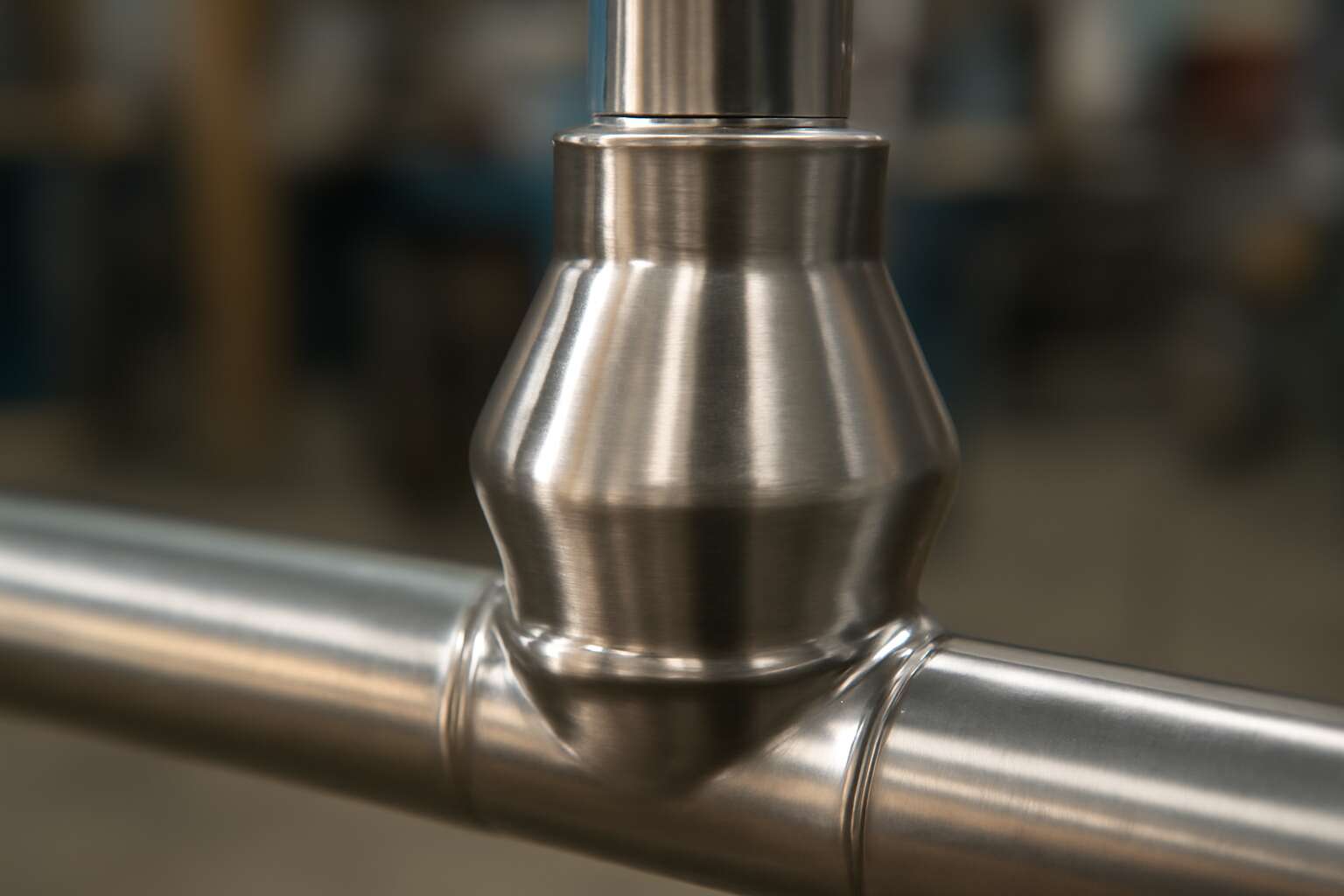
Understanding Reducer Fittings for Piping Systems
Fundamentals and Definitions
“Size matters more than you think,” a veteran fitter once told me, and it sticks when you talk about pipe fittings reducer. This transition piece marks the shift from one diameter to another, guiding water or gas with a confident, steady hand. It manages flow, limits sudden pressure changes, and helps prevent hammer as systems stretch across South Africa’s diverse sites—from mines to municipal offices.
Two main forms dominate: concentric reducers, which keep the centerline unified, and eccentric reducers, which offset the outlet to preserve level piping and avoid air pockets. Materials range from steel and copper to sturdy plastics, with connections that can be threaded, slip-on, or welded. The choice hinges on space, service, and safety requirements.
- Concentric reducers align the pipe axis for clean, continuous flow.
- Eccentric reducers preserve level alignment at outlets and equipment.
These choices shape everyday reliability across South African piping networks.
Materials and Standards
Across South Africa’s industrial sites, up to 20% of piping problems trace to a mismatched pipe fittings reducer. It’s not about a single shape or metal—it’s about how the reducer handles pressure, flow, and transition. When the choice is right, flow stays steady, devices avoid hammering, and maintenance intervals extend.
Materials and standards shape every decision. For the pipe fittings reducer, steel and stainless offer strength, copper handles heat, and plastics cut weight. Standards from SANS and ISO set pressure ratings, temperature limits, and end-connection rules so every installation wears a predictable signature.
- Materials: steel, copper, PVC, ductile iron
- End connections: threaded, slip-on, welded
- Compliance: pressure and temperature ratings plus documentation
In practice, the right pipe fittings reducer aligns with the project—mines, municipal offices, or processing plants across the country. Look for traceability, factory tests, and coatings that resist SA’s humidity and chemicals. The result is steady performance across networks that move water and gas safely.
Types and Configurations
Across South Africa’s industrial sites, a single wrong reducer choice can stall a day. A pipe fittings reducer sets the pace for flow, pressure, and space, so the wrong configuration shows up as pressure spikes or uneven deliveries.
Reductions come in two main families: concentric and eccentric. Concentric keeps the centerline continuous, ideal for straight runs and vessels. Eccentric shifts the line to prevent air pockets or to align with equipment.
- Concentric reducers align centers and minimize turbulence
- Eccentric reducers add lateral offset for drainage and flange alignment
- Short-radius and long-radius variants balance space and head loss
Choosing the right style depends on the project: mines, municipal offices, or processing plants. Look for a configuration that fits your route, from the mine gate to the plant floor. The right pipe fittings reducer keeps your network moving safely.
Sizing, Compatibility, and Performance
Size matters in piping, especially across South Africa’s industrial sites, from the mine gate to the plant floor, where a single wrong reducer choice can stall a day. The pipe fittings reducer either keeps flow smooth or invites turbulence—no middle ground! “Get the right fit, and the system sings; pick wrong, and the whole plant moans,” a veteran plant engineer reminds us. In sizing, compatibility, and performance, the stakes are real.
- Match the flow rate and head loss to the pipe size
- Verify material compatibility and pressure rating
- Ensure flange standards and connection types align
When the sizing, compatibility, and performance click, your pipeline breathes easier—deliveries are steadier and maintenance headaches shrink.
Industry Applications and Use Cases
South Africa’s industrial arteries pulse with heat and ambition, and a single misfit can stall a shift. “A steady flow is a quiet victory,” says a veteran plant engineer, and the pipe fittings reducer is the hinge on which that victory hinges. It smooths the transition between sizes and keeps pressure in harmony, turning chaos into choreography.
Understanding its role across environments reveals where it earns its keep.
- Mining and mineral processing
- Power generation and distribution
- Water treatment and distribution
From the mine gate to the plant floor, it acts as a quiet conductor—protecting against turbulence and wear. When chosen well, the system breathes easier, the flow stays steady, and maintenance whispers fade.

0 Comments