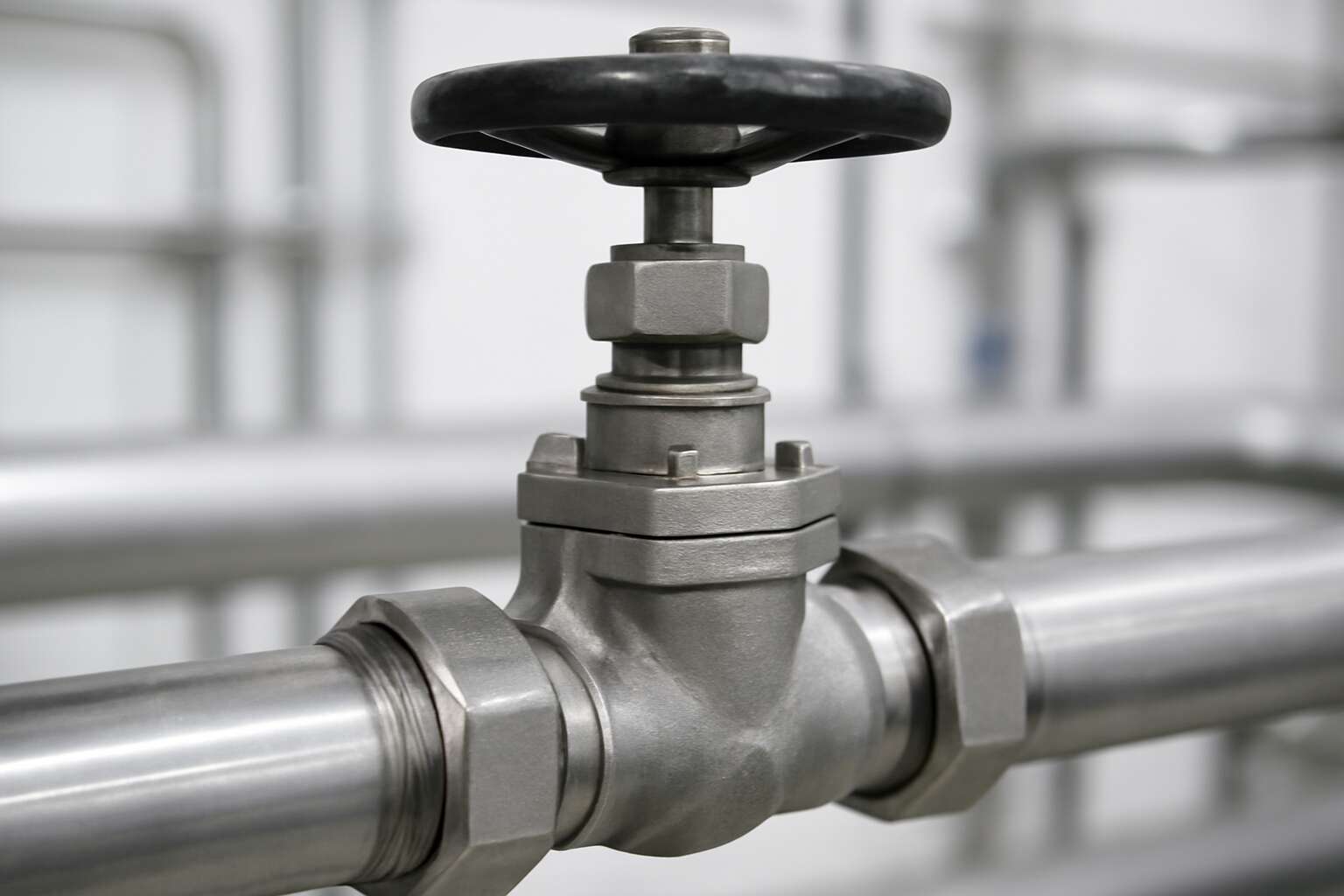
Understanding Pipe Fitting Gate Valves
Definition and Functionality – What is a pipe fitting gate valve and how does it work?
In the intricate world of plumbing and industrial systems, a pipe fitting gate valve stands out as a vital component that ensures smooth flow control. These valves are designed to operate with a straightforward mechanism—simply a sliding gate that opens or closes to regulate fluid passage. Unlike other valves that may restrict flow partially, a pipe fitting gate valve provides a full, unobstructed passage when fully open, minimizing pressure loss and enhancing efficiency.
What makes a pipe fitting gate valve especially valuable is its durability and ease of operation. When the gate is lifted, it creates a tight seal, preventing leaks and maintaining system integrity. This feature is particularly important in applications where the system requires frequent opening and closing, such as in water supply networks or industrial pipelines. The robust construction of these valves ensures they withstand the rugged conditions often encountered in rural and industrial settings across South Africa.
In essence, understanding how a pipe fitting gate valve works helps in appreciating its role in safeguarding pipeline operations. Its simple yet effective design makes it a preferred choice for industries seeking reliable, long-lasting flow control solutions—truly a cornerstone in pipe fitting applications.
Types of Gate Valves – Different types such as parallel slide, wedge, and double disc gates
In the shadowed corridors of industrial machinery and rural pipelines alike, the pipe fitting gate valve assumes a role both silent and essential. Yet, beneath its seemingly simple façade lies a variety of forms, each whispering tales of purpose and precision. These different types of gate valves—parallel slide, wedge, and double disc—are crafted to serve distinct needs within the labyrinth of fluid control. Their design nuances influence how they withstand pressure, resist corrosion, and operate under demanding conditions.
The parallel slide gate valve, for example, embodies a straightforward elegance, where two flat faces slide past each other to block or facilitate flow. In contrast, the wedge gate valve employs a tapered gate that wedges into the seat, creating a tight seal—ideal for high-pressure environments. Meanwhile, the double disc gate valve, with its two opposing gates, ensures a balanced, robust barrier against leaks. Recognizing these variations can be crucial for selecting the right pipe fitting gate valve for specific industrial or municipal applications across South Africa.
Ultimately, each type weaves its own story within the grand narrative of pipeline management, offering tailored solutions that balance durability, ease of maintenance, and flow regulation. Whether in the bustling cityscape or the desolate rural frontier, the right gate valve transforms the chaos of fluid flow into a symphony of control and reliability.
Materials Used – Common materials like stainless steel, cast iron, bronze, and PVC
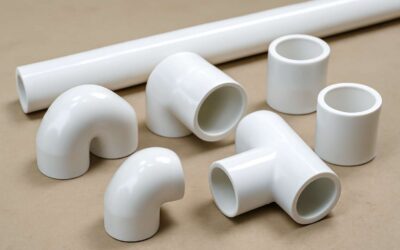
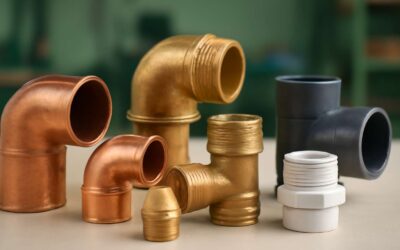
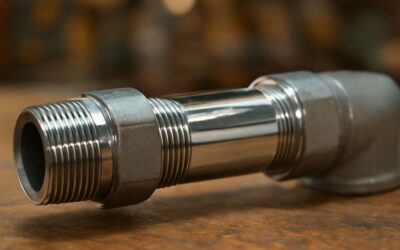
In the intricate dance of fluid control, the materials chosen for a pipe fitting gate valve can elevate its performance from mere functionality to a symphony of endurance. South Africa’s diverse environments demand valves crafted from resilient substances that withstand corrosion, pressure, and temperature fluctuations. Among the most common materials are stainless steel, cast iron, bronze, and PVC—each bearing unique qualities tailored to specific needs.
Stainless steel, with its gleaming resilience, resists rust and corrosion, making it ideal for harsh conditions like coastal or industrial settings. Cast iron offers exceptional durability and cost-effectiveness, often found in municipal water systems. Bronze, with its natural anti-corrosive properties, lends itself well to marine and agricultural applications. Lastly, PVC presents a lightweight, corrosion-proof option suited for less aggressive fluids and lower-pressure environments.
Understanding the nuances of these materials ensures the right choice for your pipe fitting gate valve, transforming ordinary components into guardians of seamless flow and reliable operation. Whether in bustling urban pipelines or rural water supply networks, the right material is the silent hero behind every successful fluid management system.
Key Features and Benefits of Pipe Fitting Gate Valves
Design Advantages – Why choose gate valves over other valve types
In the complex world of fluid control, the pipe fitting gate valve stands out as a symbol of precision and durability. Its design offers a seamless way to start or stop flow, making it indispensable in both industrial and residential settings. The key advantage lies in its ability to provide a tight seal with minimal pressure drop, ensuring efficient operation over time. Unlike other valve types, gate valves excel in applications where frequent operation isn’t necessary but reliable shutoff is critical.
What truly elevates the pipe fitting gate valve above the rest is its straightforward mechanism—simply raise or lower the gate for swift control. This simplicity translates into fewer moving parts, reducing wear and tear, and extending service life. For those seeking longevity and dependable performance, the design advantages of a pipe fitting gate valve are undeniable. Its robust construction and ease of maintenance make it a preferred choice in South Africa’s diverse piping systems.
- Superior sealing capabilities for leak-proof operation
- Minimal pressure loss, maintaining system efficiency
- Long-lasting performance with low maintenance requirements
Flow Control and Regulation – How gate valves manage high flow rates and pressure
In the intricate dance of fluid dynamics, managing high flow rates and pressure with precision is paramount. The pipe fitting gate valve rises to this challenge, offering unparalleled flow control and regulation. Its design allows it to handle substantial volumes of fluid, making it indispensable in demanding industrial applications across South Africa. When fully open, the gate valve creates a nearly unobstructed pathway, minimizing pressure loss and maintaining system efficiency. Conversely, when closed, it forms a robust seal that prevents leaks, ensuring safety and reliability.
What sets the pipe fitting gate valve apart is its ability to manage high pressure environments without sacrificing performance. Its straightforward mechanism—lifting or lowering the gate—provides quick, reliable control over fluid flow. The simplicity of this design not only enhances durability but also reduces maintenance needs, translating into a longer lifespan even under rigorous conditions. For those who value resilience and seamless operation, the pipe fitting gate valve remains a cornerstone of efficient piping systems.
- Superior sealing capabilities for leak-proof operation
- Minimal pressure drop, preserving system efficiency
- Robust construction ensures longevity in high-pressure environments
In essence, the pipe fitting gate valve encapsulates the delicate balance between strength and simplicity—an elegant solution for managing high flow rates and pressure with unwavering confidence. Its ability to deliver consistent performance, even in the most challenging conditions, cements its position as a vital component in South Africa’s diverse piping infrastructure.
Durability and Maintenance – Longevity factors and ease of maintenance
Durability and ease of maintenance are the cornerstones of a reliable pipe fitting gate valve. In demanding industrial environments across South Africa, the longevity of this component is crucial for uninterrupted operations. A well-constructed gate valve resists corrosion and wear, ensuring it can withstand high pressure and frequent operation without faltering. This resilience translates into significant cost savings over time, reducing downtime and replacement expenses.
What truly elevates the pipe fitting gate valve is its straightforward design, which simplifies maintenance. With fewer moving parts and a minimalist mechanism, inspecting and servicing the valve becomes a manageable task—even for those with limited technical expertise. This ease of maintenance not only prolongs the lifespan of the valve but also enhances operational safety, preventing leaks and failures that could compromise entire systems.
In addition, selecting a pipe fitting gate valve crafted from high-quality materials such as stainless steel or bronze enhances durability, making it suitable for extreme conditions. Regular lubrication and routine checks are often all that’s needed to keep these valves operating seamlessly for decades. Ultimately, the blend of robust construction and simple upkeep ensures that a pipe fitting gate valve remains a steadfast component in the intricate web of South Africa’s piping infrastructure.
Applications of Pipe Fitting Gate Valves
Industrial Uses – Oil and gas, water treatment, chemical processing
In the bustling world of industry, where precision and reliability are paramount, the pipe fitting gate valve stands as a silent guardian of flow control. Its robust design ensures that industries like oil and gas, water treatment, and chemical processing can operate seamlessly under demanding conditions. These valves are particularly prized for their ability to handle high-pressure environments with minimal maintenance, making them indispensable in South Africa’s diverse industrial landscape.
The versatility of pipe fitting gate valves shines through their application spectrum. In oil and gas industries, they facilitate safe and efficient transportation of crude and refined products. Water treatment facilities rely on these valves for precise flow regulation, ensuring water quality standards are met consistently. Meanwhile, chemical processing plants depend on gate valves’ durability to contain aggressive substances without compromise. Their capacity to manage both high flow rates and pressure makes them a cornerstone in these critical sectors.
Commercial and Residential Use – HVAC systems, plumbing, irrigation
In the realm of modern infrastructure, the humble yet vital pipe fitting gate valve plays a pivotal role beyond industrial landscapes. Its application in commercial and residential settings underscores its unmatched versatility and reliability. Whether regulating water flow in bustling city plumbing or orchestrating the precise delivery of irrigation systems in rural South Africa, the pipe fitting gate valve remains a silent hero.
In HVAC systems, these valves ensure optimal airflow and temperature regulation, seamlessly integrating into complex air conditioning and heating networks. Their ability to provide tight shut-off and effortless operation makes them ideal for controlling large volumes of water or air with minimal fuss. For residential plumbing, the pipe fitting gate valve offers durability and ease of use, ensuring homeowners can manage their water systems with confidence and precision.
Furthermore, irrigation systems, especially in arid regions, depend on gate valves for their robust control over water distribution. Here, a simple yet efficient design allows farmers and landscapers to regulate water flow accurately, conserving precious resources while maintaining lush landscapes. Their capacity to withstand outdoor elements and high pressures makes the pipe fitting gate valve an indispensable component in both everyday applications and expansive agricultural projects.
Specialized Environments – High temperature, high pressure settings
In specialized environments where extreme conditions prevail, the robust design of a pipe fitting gate valve becomes essential. High temperature and high pressure settings—common in South Africa’s industrial complexes and power plants—demand valves that can withstand relentless operational stress. These demanding conditions require a pipe fitting gate valve crafted from durable materials such as stainless steel or forged alloy, ensuring resilience against thermal expansion and corrosion.
Particularly in sectors like oil and gas, chemical processing, and energy production, the integrity of flow control hinges on the reliability of a pipe fitting gate valve. Its ability to provide a tight seal under high pressure prevents leaks and maintains operational safety. For instance, in geothermal power stations, the gate valve’s capacity to manage high-temperature fluids plays a pivotal role in optimizing efficiency and safety.
Moreover, in environments where fluctuating pressure levels threaten equipment longevity, the design advantages of a pipe fitting gate valve shine through. Its straightforward mechanism allows for effortless operation—even under strenuous conditions—while offering exceptional durability. When selecting a valve for these extreme applications, the importance of choosing a high-quality pipe fitting gate valve cannot be overstated, as it directly influences the longevity and safety of the entire system.
Buying Guide for Pipe Fitting Gate Valves
Factors to Consider – Size, pressure rating, material compatibility
Choosing the perfect pipe fitting gate valve for your project hinges on several critical factors. First and foremost, size matters—an ill-fitting valve can cause leaks, inefficiencies, or even system failure. Be sure to measure your pipeline precisely and select a gate valve that matches the required diameter to ensure seamless integration.
Pressure rating is another essential consideration. A pipe fitting gate valve must withstand the maximum operating pressure of your system. Ignoring this can lead to dangerous failures, especially in high-pressure environments common in South Africa’s industrial sectors. Materials compatibility also plays a pivotal role; whether you’re working with corrosive chemicals or high-temperature fluids, choosing the right construction material—such as stainless steel or PVC—is vital for durability and safety.
By carefully evaluating these factors—size, pressure rating, and material compatibility—you can guarantee optimal performance, longevity, and safety for your piping system. Remember, a well-chosen pipe fitting gate valve not only controls flow but also ensures peace of mind during operation!
Standards and Certifications – ISO, ANSI, API standards
In the realm of industrial plumbing, adherence to international standards and certifications is no mere formality; it’s the very foundation of trust and reliability. When selecting a pipe fitting gate valve, ensuring compliance with recognized standards such as ISO, ANSI, and API is paramount. These certifications serve as a mark of quality, safety, and performance, especially crucial in South Africa’s diverse and demanding industries.
ISO standards, for instance, emphasize quality management and environmental considerations, ensuring your pipe fitting gate valve meets global benchmarks. Meanwhile, ANSI specifications focus on American measurements and safety criteria, a vital aspect given the international trade and regional engineering practices. API standards, particularly relevant for oil and gas applications, guarantee that the valve can withstand extreme conditions inherent in high-pressure environments.
Choosing a pipe fitting gate valve that adheres to these standards isn’t just about compliance; it’s about peace of mind. Look for products with clear certification markings and detailed documentation. This diligence ensures your investment aligns with the rigorous demands of your project, preventing costly mishaps and ensuring seamless operation in every application, from water treatment plants to chemical processing facilities.
Where to Purchase – Reliable suppliers and manufacturers
When it comes to sourcing a reliable pipe fitting gate valve, the key is finding a supplier that combines quality, credibility, and a dash of good old-fashioned service. South Africa’s industrial landscape is as diverse as its wildlife, which means your valve needs to perform under a variety of conditions. Fortunately, reputable manufacturers and suppliers who understand these nuances are readily available—if you know where to look.
Start your search by focusing on established companies with a proven track record. Look for suppliers that offer detailed documentation and certification markings—these are your assurance that the pipe fitting gate valve meets the necessary standards. Whether you need a valve for high-pressure applications or corrosive environments, choosing a trusted source reduces the risk of costly downtime or failure.
Some of the top places to purchase a pipe fitting gate valve include specialized industrial suppliers, authorized distributors, and regional manufacturers who understand South Africa’s unique requirements. You might also consider online platforms that connect you directly with certified brands. Remember, quality always trumps price when dealing with critical components like gate valves—your project’s safety and efficiency depend on it.
In summary, prioritizing reputable suppliers ensures your pipe fitting gate valve is up to standard, durable, and ready to handle whatever your industry throws at it. After all, when it comes to valves, a well-chosen component is worth its weight in gold—or at least in long-term savings and peace of mind!
Installation and Maintenance Tips
Proper Installation Procedures – Ensuring correct alignment and connection
Installing a pipe fitting gate valve correctly is crucial for ensuring long-term performance and safety. Proper alignment and secure connection prevent leaks and reduce wear over time. When installing a pipe fitting gate valve, always ensure the valve is positioned in the correct orientation relative to the flow direction. Misalignment can cause uneven stress, leading to premature failure, especially in high-pressure systems.
To achieve a seamless connection, tighten all bolts and fittings evenly, avoiding over-tightening that might damage the valve or pipe. Using gasket materials suited to your specific application enhances sealing and prevents leaks.
In terms of maintenance, routine inspections are vital. Check for signs of corrosion, especially if your system operates in harsh environments like chemical processing or high-temperature settings. Lubricate the gate stem periodically to ensure smooth operation and prevent sticking. Remember, a well-maintained pipe fitting gate valve not only extends its lifespan but also ensures optimal flow control in your piping system.
Routine Inspection and Servicing – Checking for leaks, corrosion, and wear
Routine inspection and servicing of your pipe fitting gate valve isn’t just a chore; it’s a survival skill in a world where leaks and corrosion are lurking like sneaky predators. Over time, even the sturdiest gate valves can develop drips or succumb to the corrosive whims of harsh environments. Regularly checking for signs of wear ensures your system remains airtight and efficient.
To make this easier, consider establishing a checklist. Look out for:
- Leaks around the valve body or stem
- Corrosion or rust spots that could weaken the structure
- Unusual stiffness or sticking of the gate stem
Lubricating the gate stem periodically keeps the valve operating smoothly, preventing unnecessary wear. If your pipe fitting gate valve is in a particularly aggressive environment—think chemical plants or geothermal hotspots—additional protective measures like corrosion inhibitors or specialized gasket materials might be necessary. Remember, a vigilant eye and timely maintenance are the best defense against costly failures and unplanned shutdowns.
Troubleshooting Common Issues – Stuck valve, leaks, and operational signs
A pipe fitting gate valve might seem straightforward, but when it comes to troubleshooting, even seasoned professionals can encounter tricky issues like a stuck valve or unexpected leaks. These problems not only disrupt operations but can also lead to costly downtime if not addressed promptly. Understanding the common signs of operational trouble helps in diagnosing issues early and maintaining system integrity.
If your gate valve isn’t opening or closing smoothly, it could be due to debris buildup or corrosion on the gate stem. In such cases, the valve may become stuck, preventing proper flow regulation. Leaks around the valve body or stem are another red flag, often indicating worn seals or compromised gasket integrity. Regular inspection for these signs is essential to keep your system running optimally.
When facing persistent leaks or operational hiccups, consider a methodical troubleshooting approach. For example, a simple
- checking for debris or sediment lodged in the valve
can often resolve minor issues. If the problem persists, disassembly might be necessary to inspect for corrosion or damage. Remember, proper installation procedures—such as ensuring correct alignment and connection—are crucial in preventing such issues in the first place.
In some instances, a stuck valve might require lubrication or gentle manual operation to free the gate. However, if leaks are found, replacing worn seals or gaskets is often the most effective fix. Maintaining your pipe fitting gate valve with routine servicing ensures longevity and reliable performance, even in demanding environments like chemical plants or high-pressure systems. After all, a well-maintained valve isn’t just about flow control—it’s about safeguarding your entire operation.
How to Choose the Right Pipe Fitting Gate Valve
Matching Application Needs – Flow requirements and environmental conditions
When selecting a pipe fitting gate valve that truly matches your application needs, understanding flow requirements and environmental conditions is paramount. A misstep here can turn your project into a leaking disaster faster than you can say “pressure drop.” If your system demands high flow rates, a robust gate valve designed for minimal pressure loss is essential. Conversely, in applications where precise regulation is less critical, a standard model might suffice.
Environmental factors such as temperature extremes, corrosive substances, or high-pressure zones significantly influence material choice. For example, stainless steel gate valves excel in corrosive environments, while PVC models are perfect for chemical resistance without breaking the bank. To streamline your decision-making process, consider the following:
- Assess the maximum flow rate and pressure your system will encounter.
- Identify environmental challenges—corrosion, temperature, chemical exposure.
- Match these needs with suitable materials and design features of the pipe fitting gate valve.
Matching the right pipe fitting gate valve to your application’s flow requirements and environmental conditions ensures longevity, efficiency, and peace of mind—because nobody wants a valve that quits halfway through a job.
Evaluating Cost vs. Quality – Balancing budget with durability and performance
Choosing the right pipe fitting gate valve involves balancing cost with quality. It’s tempting to opt for the cheapest option, but sacrificing durability can lead to costly repairs or replacements down the line. High-quality gate valves, made from materials like stainless steel or bronze, often come with a higher initial investment but deliver superior performance and longevity.
Evaluate your system’s demands carefully. For high-pressure or corrosive environments, investing in a reliable, industrial-grade pipe fitting gate valve is wise. These valves are engineered to withstand tough conditions, ensuring your system remains leak-free and efficient.
Think of it this way: a well-chosen gate valve can save your project from premature failure. Sometimes, spending a little more upfront on a robust, certified valve can mean fewer headaches later. When shopping, prioritize reputable suppliers who offer products that meet international standards like ISO or API. This way, your investment guarantees quality, safety, and peak performance in every application.
Consulting Experts – Seeking advice from industry professionals
In the shadowed corridors of industrial mastery, the choice of a pipe fitting gate valve can be the thin line between seamless operation and catastrophic failure. Consulting industry experts, those who have navigated the labyrinth of valve technology, can illuminate the path to selecting the perfect fit for your system. Their seasoned insights cut through the fog of uncertainty, revealing nuances that only experience can unveil.
When seeking guidance, consider engaging with specialists who understand the intricacies of material compatibility, pressure ratings, and environmental demands. They can help you decipher whether a stainless steel, bronze, or PVC pipe fitting gate valve aligns with your project’s needs. An expert’s recommendation ensures your investment withstands the relentless march of time, corrosion, and stress.
- Assess your system’s flow requirements and environmental conditions.
- Consult with professionals who can advise on suitable materials and certifications.
- Balance initial cost with long-term durability and performance.
Remember, a well-chosen pipe fitting gate valve is not merely a component—it’s the silent guardian of your system’s integrity, whispering promises of leak-free operation and unwavering reliability. Seeking wisdom from industry veterans transforms a mundane purchase into a safeguard against future chaos, ensuring your project’s stability in the shadowed depths of industrial landscapes.
Future Trends in Pipe Fitting Gate Valves
Innovations in Materials – Advanced composites and corrosion resistance
As technology advances, the future of pipe fitting gate valves in South Africa gleams with promise, driven by innovations in materials that challenge the very boundaries of durability and resistance. Imagine gate valves crafted from advanced composites—materials that not only resist corrosion but also embrace the resilience of nature’s toughest elements. These pioneering materials promise to extend the lifespan of pipe fitting gate valves, even in the most corrosive environments such as offshore oil rigs or chemical plants, where reliability is paramount.
Furthermore, the integration of corrosion-resistant alloys and ceramic linings heralds a new era of robustness. The evolution of these materials aims to combat the relentless assault of harsh chemicals and extreme temperatures. It’s no longer just about controlling flow; it’s about fortifying the very core of these valves, ensuring they perform flawlessly through decades of unwavering service. As the industry strides forward, expect to see a surge in specialized coatings and composite formulations that will revolutionize how pipe fitting gate valves withstand the test of time in diverse South African climates and industrial settings.
Smart Valve Technology – Automation and remote operation capabilities
The future of pipe fitting gate valves is rapidly shifting towards smarter, more automated solutions. In South Africa, where industrial infrastructure is evolving amidst economic and environmental challenges, integrating smart valve technology is not just a luxury—it’s a necessity. These advanced systems enable remote operation, allowing operators to monitor and control flow with unprecedented precision, often from a central control room.
Smart pipe fitting gate valves come equipped with sensors that provide real-time data on pressure, temperature, and flow rates. This data helps prevent failures before they occur and optimizes maintenance schedules. Furthermore, automation features reduce the need for manual intervention, decreasing downtime and increasing operational efficiency. As industries adopt Industry 4.0 principles, the demand for intelligent flow control devices like these is surging across sectors such as water treatment, oil and gas, and chemical processing in South Africa.
- Remote monitoring capabilities
- Automated control for high-pressure environments
- Integration with existing SCADA systems
Ultimately, the evolution of pipe fitting gate valves into smart, automated solutions signifies a shift towards more resilient and adaptable infrastructure. For South African industries facing complex operational environments, these innovative valves are redefining how flow regulation is achieved—making processes safer, more reliable, and ready for the demands of tomorrow’s world.
Sustainable and Eco-friendly Options – Energy-efficient designs and environmentally friendly materials
As industries worldwide aim for greener horizons, the future of pipe fitting gate valves is undeniably leaning toward sustainability. Energy-efficient designs are becoming a standard feature, reducing operational costs while minimizing environmental impact. Manufacturers are increasingly turning to environmentally friendly materials, such as recycled metals and biodegradable composites, to craft these vital components. These innovations not only extend the lifespan of the valve but also align with global efforts to reduce carbon footprints.
In South Africa, where water conservation and energy management are critical, eco-conscious pipe fitting gate valves are gaining traction. These valves incorporate low-friction seals and optimized flow paths, which decrease energy consumption during operation. Moreover, some models are designed with biodegradable lubricants and corrosion-resistant coatings that lessen the need for frequent maintenance and disposal.
- Reduced energy use
- Sustainable material options
- Enhanced durability in harsh environments
By integrating these sustainable features, industries can support environmental goals while maintaining high standards of operational reliability.
As the push for green infrastructure intensifies, the development of eco-friendly pipe fitting gate valves signals a promising shift—one that combines technological innovation with ecological responsibility. These advancements are set to redefine flow control solutions across sectors such as water treatment, chemical processing, and oil and gas—especially in South Africa, where resource conservation is paramount. Embracing sustainable options isn’t just a trend; it’s a strategic move toward a resilient, environmentally conscious future.

0 Comments