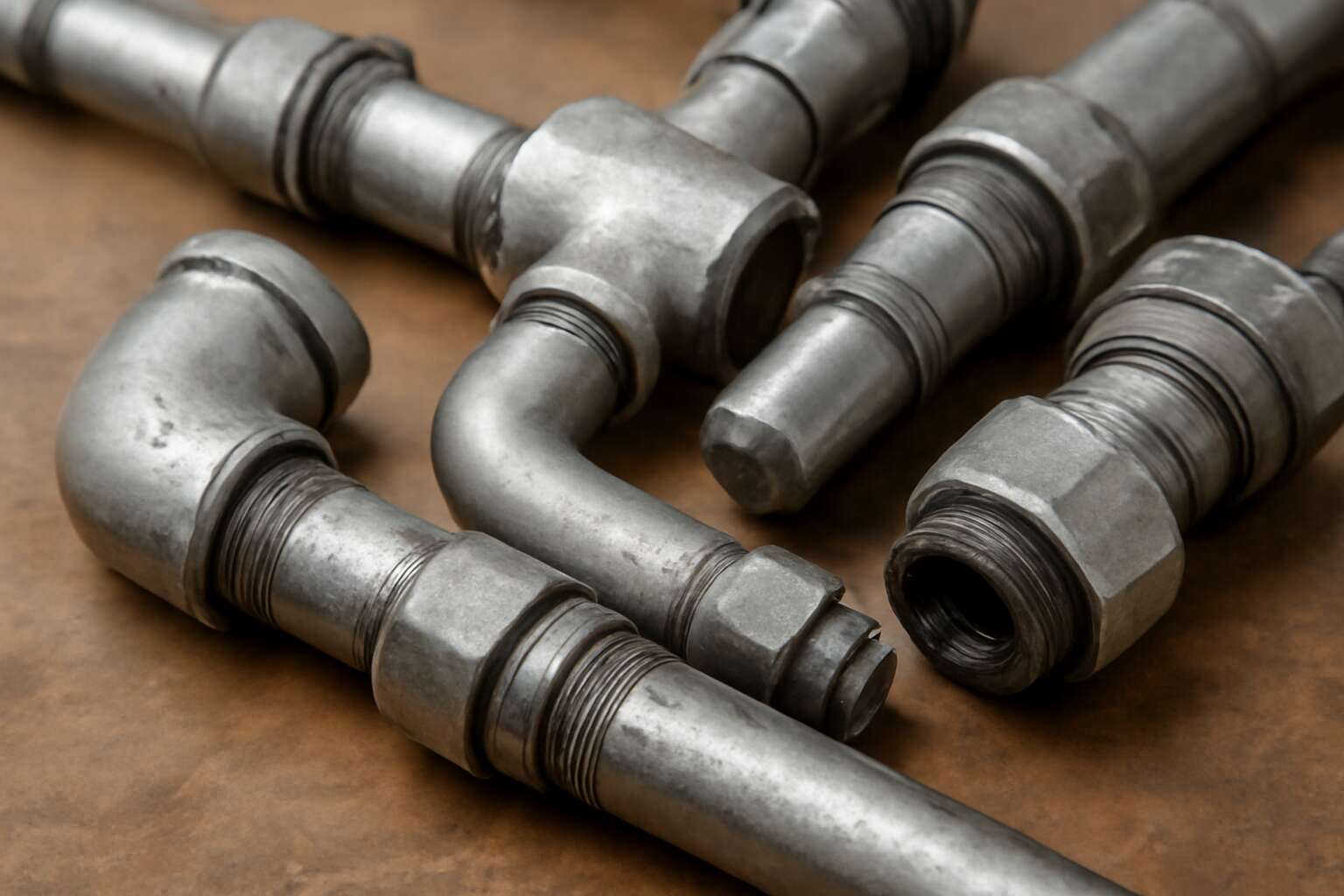
Understanding pipe fittings and pipe joints: definitions and core differences
What defines a pipe fitting
Power behind the pipeline starts with clear terms. Understanding pipe fittings and pipe joints: definitions and core differences sets the stage for thoughtful design and reliable service. The probe into pipe fitting vs joint isn’t merely semantic; it’s about function, form, and how professionals prefer to talk about connections.
- Function: connect, branch, or change direction.
- Location: located at the start, middle, or end of a run.
- Installation: threaded or slip-fit vs welded or mechanical.
Here in South Africa, the choice of materials and methods respects both local standards and practical realities. Fewer surprises come from knowing how fittings and joints frame your project. That’s the edge we bring.
What defines a pipe joint
In the dim corridors of SA projects, a single misfit can herald a costly failure. The phrase pipe fitting vs joint isn’t mere jargon; it’s the hinge between reliability and risk. Understanding pipe fittings and pipe joints: definitions and core differences shapes how engineers read a plan.
A pipe joint is the meeting point—the seal where two lengths kiss. I hear the breath of metal when it seals. It may be welded, threaded, or mechanically joined, and it often allows a controlled breath to absorb pressure and heat shifts. A pipe fitting, by contrast, shapes the line: it connects, diverts, or branches.
Here are the signs a field tech uses to separate the concepts:
- Location within the run: start, mid, or end
- Core function: connect, branch, or redirect
- Installation method: threaded, slip-fit, welded, or mechanical
Key functional differences: connection, strength, and load
South Africa’s urban water grids are no place for guesswork. Some SA cities report water losses as high as 40% due to leaks and aging infrastructure. Understanding pipe fittings and pipe joints means reading plans with a sharper eye for how they perform under pressure in the real world. The phrase pipe fitting vs joint isn’t mere jargon; it’s the hinge between reliability and risk in the field.
Key functional differences: connection, strength, and load.
- Connection — how pieces join to form a continuous, leak-tight path.
- Strength — resistance to internal pressure and external forces.
- Load — how temperature changes and pressure surges are absorbed and distributed across the joint area.
Types of pipe fittings
Common pipe fittings and their uses
In the room where pressure pulses and the hum of machinery determine uptime, the choice between pipe fitting vs joint comes down to purpose, pressure, and ease of maintenance. A well-chosen fitting optimizes flow and reduces leak risk across South African installations.
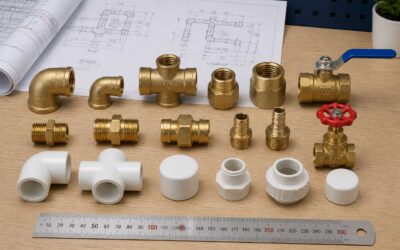
Types of pipe fittings cover more than mere connectors; they are the silent engineers of a system, guiding direction, transitions, and disassembly when needed. Common pipe fittings and their uses include:
- Elbow: redirects flow at 90 or 45 degrees.
- Tee: creates a branch for parallel lines.
- Coupling: joins two straight runs.
- Reducer: adapt different diameters without turbulence.
- Union: permits future maintenance without disturbing joints.
- Flange: robust, gasketed connections for large systems.
Each type serves a distinct role within a network’s life cycle, balancing installation simplicity with long-term reliability. The subtle art lies in selecting components that harmonize with local materials, standards, and the rhythm of the site.
Specialty fittings (reducers, elbows, tees, couplings)
<p Across South Africa’s industrial arteries, up to 30% of downtime stems from ill-suited fittings. When weighing pipe fitting vs joint, the true leverage lies in specialty fittings that manage flow, pressure, and service life. Choose wisely—flow becomes smoother, leaks rarer, maintenance briefer!
- Reducers
- Elbows
- Tees
- Couplings
<p These components are the silent tacticians of a network, handling diameter transitions, directional changes, and disassembly without drama. They align with local materials, standards, and the rhythm of the site, turning potential turbulence into predictable performance.
Inline vs end-fitting components
South Africa’s industrial landscape runs on precision, and a hidden edge often lies in the choice between pipe fitting vs joint. Misfitted joints drive costly maintenance—millions in leaks each year—echoing through a project and turning a neat installation into a stubborn, leak-prone headache. The distinction in inline versus end-point components matters more than a mere label.
Inline fittings carry the flow between two sections of pipe, staying aligned with the system’s integrity. End-fitting components anchor, seal, or cap the line at terminals, shaping how practical pressure and maintenance will be in SA environments.
- Inline: couplings, unions, elbows, tees
- End-fitting: caps, plugs, flanges, adapters
Choosing the right category reduces leaks, minimizes pressure loss, and lowers maintenance costs—an essential consideration when weighing pipe fitting vs joint in real-world projects across South Africa.
Material options: plastic vs metal
South Africa’s harsh climate makes every pipe a lifeline, and material choices ripple through maintenance. The distinction between pipe fitting vs joint isn’t just semantic—it’s a bet on reliability and long-term performance.
Plastic options like PVC, CPVC, and HDPE bring lightness and corrosion resistance to the table. They slip into tight spaces and resist rust, yet temperature limits and UV exposure demand respect. Consider these plastics:
- PVC: cost-effective, chemical resistant, easy to install
- CPVC: better for hotter water
- HDPE: flexible joints, fusion-welded seals
Metal choices—copper, brass, stainless steel, galvanized—bring toughness: durability under pressure, heat tolerance, and longevity in SA environments. They handle aggressive fluids and high-pressure scenarios, though weight and upfront cost are higher.
Ultimately, the pipe fitting vs joint equation leans on environment and load. The right material aligns with pressure, temperature, and the flow demands of South African projects.
Types of pipe joints
Welded joints vs threaded joints
Some say the strength of a pipeline lies in its joints; in South Africa’s rugged climates, the choice between pipe fitting vs joint often determines whether a system endures or demands costly rework. A seasoned engineer once said, “The joint is the quiet backbone of any network.”
Welded joints fuse metal into a continuous seam, delivering robust, leak-tight performance for steel and stainless systems. They’re ideal where permanence and high pressure matter, but they demand skilled welders, proper heat control, and safety protocols.
- High strength and leak resistance
- Permanent, vibration-tolerant connections
- Require heat, equipment, and skilled workmanship
Threaded joints rely on male-female threads and sealants, offering quick assembly and easy disassembly for maintenance. They suit smaller diameters and systems that demand serviceability, though they’re not as resistant to vibration and may require retightening over time.
Socket weld and slip-on joints
In South Africa’s rugged hinterlands, up to 40% of pipeline faults trace to joints. The choice between pipe fitting vs joint shapes a system’s fate in our harsh climates.
Socket welds fuse a pipe end into a recessed socket, creating strong, leak-tight joints in small diameters. They demand skilled execution and precise heat control, but deliver a clean, compact seam suitable for permanent lines!
Slip-on joints slide over the pipe and are finished with sealants or fillet welds. They shine for quick assembly and serviceability, though they can be more lenient to vibration and may require retightening over time.
- Fast installation for small-bore piping
- Easy alignment and maintenance
- Higher susceptibility to vibration and loosening over time
In the SA context, each option carries its own theatre of costs and maintenance, and the trick is matching robustness to the climate while keeping serviceability within reach.
Soldering and brazing joints
South Africa’s pipeline faults persist: up to 40% trace back to joints. In the ongoing debate of pipe fitting vs joint, soldering and brazing carve out their own niche. These joints fuse metal with heat, shaping reliability in harsh climates and rugged supply lines.
Soldering uses a low-temp filler metal (often tin-based) and flux to join small-diameter copper or thin-walled tubes. Brazing uses a hotter, stronger alloy and can seal larger or thicker sections. Both demand proper heat control and cleanliness, but brazing trades speed for discipline. In the pipe fitting vs joint debate, soldering and brazing offer distinct performance profiles.
- Soldering: low heat, good for small bore, weaker under pressure
- Brazing: higher heat, stronger, suitable for larger diameters
- Both rely on flux to prevent oxidation
However you slice it, these joints are a tale of heat and metal—the quiet drama behind SA pipelines.
Flange joints and mechanical joints
South Africa loses up to 40% of pipeline capacity to faults in joints, a stark figure that makes the debate over pipe fitting vs joint feel almost existential.
Flange joints and mechanical joints sit at the center of this discussion, each offering a different path to resilience.
- Flange joints: robust seals, easy inspection, and suitability for larger runs
- Mechanical joints: fast assembly, less heat exposure, and tight tolerances
In practice, the choice weighs maintenance access, vibration, and climate stress, revealing how form and function shape reliability in SA’s networks.
Materials, compatibility, and standards
Material compatibility for fittings and joints
“Compatibility is king,” a veteran fitter quipped, and the truth still echoes through SA workshops. Whether you’re weighing pipe fitting vs joint, plastic or metal, the real question is simple: will these parts endure under pressure and heat?!
Material options span PVC, CPVC, PEX, and metals like copper and stainless steel. Each pairing carries expectations of durability, chemical compatibility, and temperature tolerance. Consider the fluid, environment, and system pressure—mismatches invite leaks and downtime.
- Thermal expansion considerations
- Chemical compatibility with contents
- Corrosion resistance and longevity
Standards—SANS, ISO, and manufacturer specs—govern compatibility, guiding choices toward performance, safety, and reliability.
Industry standards and codes
Across South Africa’s plumbing shops and workshops, accuracy in compatibility isn’t optional—it’s a matter of safety and uptime. A veteran fitter likes to remind us that ‘Compatibility is king!’ and the sentiment still earns nods in SA yards. Those reverberations are codified in industry standards and manufacturer specs, guiding every decision from materials to joints and fittings. The aim isn’t romance with a component but resilience under pressure and heat.
Material choices are only as good as the code that backs them. When weighing pipe fitting vs joint, standards adjudicate which combos endure under service conditions, tell you the approved temperature range, and set the limits for corrosion resistance. In short, compliance isn’t bureaucracy—it’s a practical shield against leaks and downtime.
Sizing, ratings, and pressure considerations
In SA workshops, accuracy isn’t optional—it’s safety and uptime. A veteran fitter still mutters, “Compatibility is king!” and that chant travels from Cape Town to Polokwane. Compliance and specs aren’t red tape; they’re the shield you wear under pressure.
Material choices must ride the rails of standards: approved metals and plastics, plus protective coatings that resist heat and hard water. When weighing pipe fitting vs joint, the code adjudicates which combos endure, defines the approved temperature range, and sets corrosion-resistance limits.
- Pressure ratings (PSI/MPa)
- Temperature tolerance
- Corrosion resistance
- Dimensional compatibility
Sizing and ratings aren’t guesswork—they translate into practical reliability. Check the system’s operating pressure, expected temperatures, and the service fluid to ensure you don’t chase leaks down the line in SA conditions.
Color coding and identification
In South Africa’s workshops, uptime isn’t luck—it’s the result of choosing the right materials and staying aligned with standards. The choice between pipe fitting vs joint isn’t theoretical—it’s the difference between a leak-prone afternoon and a week of smooth service from Cape Town to Polokwane.
Material choices must ride the rails of approved metals and plastics, with protective coatings that resist heat and hard water. Look for dimensional compatibility, corrosion resistance, and documented temperature tolerance across the grade you select, all aligned to SABS and ISO standards.
- Blue: cold potable water
- Red: hot water
- Green: non-potable or recycled water
- Yellow: gas or compressed air
Color coding isn’t decoration—it’s identification that prevents misfits and leaks. When teams see the right hue, they know the pairing will endure under SA pressure and municipal requirements.
Standards and codes weave safety into every joint, and the difference between pipe fitting vs joint becomes practical in the field. With consistent color codes and approved materials, projects hold a steady heartbeat through maintenance cycles and upgrades.
Corrosion resistance and longevity
Materials must ride the rails of approved metals and plastics, with protective coatings that resist heat and hard water. Compatibility means dimensional harmony, corrosion resistance, and documented temperature tolerance across the chosen grade, all aligned to SABS and ISO standards. The choice between pipe fitting vs joint isn’t theoretical—it’s the hinge of reliability when uptime matters from Cape Town to Polokwane.
- Copper alloys
- Stainless steel
- HDPE or PVC with compatible linings
Corrosion resistance and longevity hinge on service environment and material pairing. In South Africa’s municipal systems, coatings and compatibility guard against invasive salts and variable temperatures. Standards ensure predictable life spans for each connection, keeping the heartbeat of infrastructure steady across harsh conditions.
Installation, maintenance, and safety
Installation best practices for fittings
South Africa’s municipal realities remind readers that a single drip can waste hundreds of litres a week. The pipe fitting vs joint debate shapes planning, but the real test is installation. Start with rated fittings and ensure joints are clean, square, and seated before you proceed.
Installation best practices for fittings demand patience. Essentials:
- Clean and deburr pipe ends
- Dry-fit first for alignment
- Tighten to specs
Choose compatible materials and follow SA codes.
Maintenance and safety keep the system performing. Look for leaks, corrosion, or movement; note odd sounds or damp spots. Professional checks help keep codes satisfied. When work is needed, safety gear and sensible procedures protect people and property. The pipe fitting vs joint distinction matters less than ongoing care.
Joint assembly and leak testing
Installation, maintenance, and safety are one continuous craft. In SA, a tiny drip can waste hundreds of litres overnight, proving steady hands win the day. Start with clean, square joints and rated fittings; ensure joints are seated before you proceed. The choice between pipe fitting vs joint matters, but only if the plan stays solid.
Maintenance and safety keep the system performing. Look for leaks, corrosion, or movement; strange sounds or damp spots are clues. Regular checks help codes stay satisfied and value stay intact. When work is needed, PPE and sensible procedures protect people and property.
- Visual inspection for leaks
- Corrosion checks
- Vibration or movement monitoring
Beyond the assembly, leak testing is a quiet gatekeeper. Use safe pressure tests, monitor for drips as pressure ramps, and document readings for future audits. A well-timed test confirms the seals seat cleanly and the system breathes easy.
Troubleshooting and common issues
Across South Africa’s networks, a single drip can swallow hundreds of litres overnight. The debate over pipe fitting vs joint isn’t academic—it’s a matter of plan integrity and safety in motion. A solid installation begins with regard for fit, seating, and the right ratings.
Maintenance and safety are continuous crafts. Look for leaks, corrosion, or movement, and keep PPE on when work is needed. Regular checks help meet codes and protect property. The aim is steady performance, not dramatic fixes, even when pressure rises or engines hum nearby.
- Visible leaks near joints
- Early corrosion at fittings
- Unsteady vibrations or movement
Troubleshooting reveals common issues: unexpected drips, loosened connections, or subtle vibration. Conduct safe pressure tests and document readings to preserve an auditable trail and confidence.
Maintenance schedules and inspection tips
Across South Africa, a single drip can swallow hundreds of litres overnight, turning quiet pipes into a money drain and a safety risk. The choice between pipe fitting vs joint isn’t academic—it’s plan integrity in motion. A solid install starts with proper fit, seating, and the right ratings.
Maintenance schedules keep systems trustworthy. I structure routine checks so trouble reveals itself before it worsens. Follow this quick cadence:
- Weekly visual checks for leaks, corrosion, and movement around joints.
- Monthly torque tests and seating confirmation using safe pressure testing methods.
- Annual documentation updates to stay compliant with codes and industry standards.
For safety, wear PPE, isolate sections before work, and document readings to build an auditable trail. When engines hum nearby, steady hands and steady routines win over dramatic fixes!

0 Comments